Painting while sitting with a lap easel opens up a world of creativity without the need for a big studio or standing for long hours. Many artists, from beginners to professionals, love lap easels because they are simple, portable, and help keep your workspace organized—even in a small room or outside.
But painting with a lap easel is not as easy as it looks. If you want to enjoy the process and create your best art, you need to know how to set up your space, choose the right tools, and avoid common mistakes.
Let’s explore everything you need to know for a smooth and enjoyable painting session with a lap easel.
Understanding Lap Easels
A lap easel is a compact, lightweight easel designed to rest comfortably on your lap. It holds your canvas or paper at an angle, freeing your hands for painting or sketching. Lap easels are popular with people who have limited space or want to paint while traveling. Some even use them in bed or while sitting in a park. The main advantage is flexibility and comfort, but you still need to use them correctly to avoid tiredness or discomfort.
Types Of Lap Easels
Not all lap easels are the same. Here are the common types:
- Wooden lap easels: Sturdy and classic, suitable for both canvas and drawing pads.
- Folding lap easels: Easy to store and transport; perfect for travel.
- Adjustable lap easels: Allow you to change the angle for different styles and media.
- Tabletop lap easels: Can be used on your lap or on a flat surface.
Choosing the right type depends on your painting style, where you paint, and your budget.
Setting Up Your Painting Space
Your painting space has a big effect on your experience and results. While lap easels are portable, a few smart choices will make your painting session more comfortable and productive.
Choosing The Right Chair
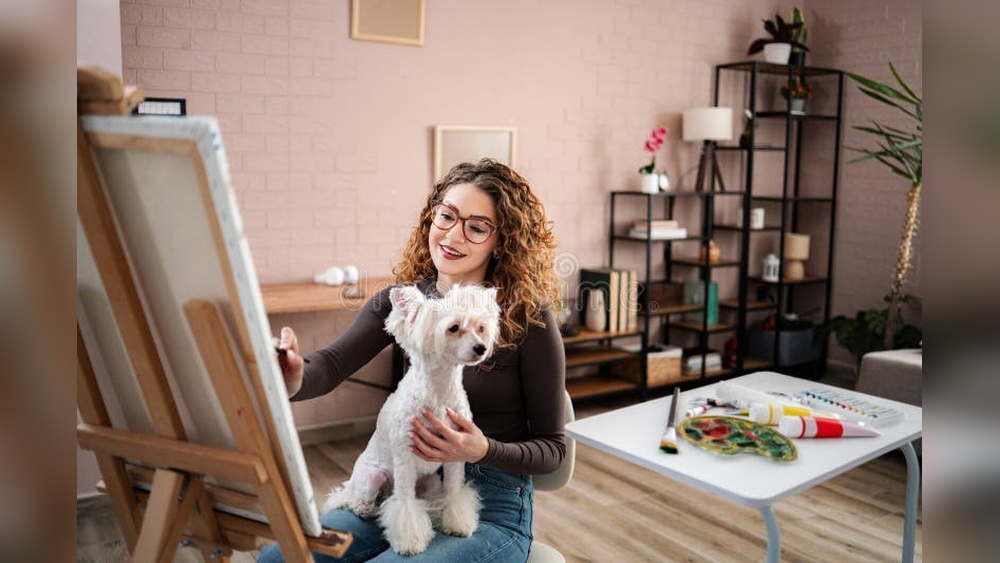
Pick a chair that supports your back and lets your feet touch the floor. A chair with armrests can help, but make sure you have enough space to move your arms freely. Avoid soft sofas that make you sink—this can hurt your posture and make painting difficult.
Good Lighting
Paint where there’s plenty of natural light, like near a window. If that’s not possible, use a bright lamp with a daylight bulb. Good lighting helps you see true colors and details, and reduces eye strain.
Organizing Your Tools
Keep your paints, brushes, water cup, and palette within arm’s reach. Use a small tray or box on your side to avoid stretching or spilling. Many artists forget this step and waste time searching for things while painting.
Protecting Your Space
Lay down a cloth or newspaper on your lap and floor to catch spills. This is especially important if you paint with oils or acrylics, which can stain.
How To Position Your Lap Easel
Proper positioning prevents pain and helps you paint for longer. Here’s what you need to do:
- Sit upright with your back supported.
- Place the easel on your lap so the top is at chest or shoulder level. This stops you from bending your neck too much.
- Adjust the easel angle. A 45-degree angle works well for most people, but you can change it to suit your style.
- Make sure your arms rest comfortably on your lap or the easel. If your arm gets tired, lower the easel slightly.
If your easel slips, use a nonslip mat or a small cushion under it for extra grip.
Selecting The Right Art Supplies
Your choice of materials affects both the quality of your work and your comfort. Here’s what to look for:
Canvas Or Paper
Choose a canvas or pad that fits your easel. A 9×12 inch or 11×14 inch size is easy to handle on your lap. Too large, and the easel can become unstable.
Paints
Acrylics and watercolors are popular for lap easel painting. Oils are fine but require more cleanup and may smell strong in small spaces. Use travel-size tubes to save space.
Brushes
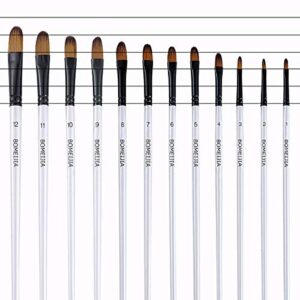
Short-handled brushes are easier to control when working close. Bring a few shapes: flat, round, and detail.
Palette
A small, lightweight palette fits well on your lap or beside you. Some artists use a disposable palette pad to avoid washing up.
Water Or Solvent Cup
Choose a spill-proof cup. Some come with lids or clips to attach to your easel.
Cleaning Cloth
Keep a small rag or paper towel handy for wiping brushes or accidents.
Step-by-step Guide To Painting With A Lap Easel
Let’s walk through the process, from setup to finishing touches.
1. Prepare Your Surface
Secure your canvas or paper on the easel. Make sure it doesn’t wobble. Some easels have clips; if yours doesn’t, use painter’s tape.
2. Arrange Your Tools
Place your paints, brushes, palette, and water cup nearby. Sit down and check if you can reach everything without stretching.
3. Sketch Your Outline
Use a pencil or a thin brush to sketch your basic shapes. This step is easier with the canvas at a comfortable angle.
4. Block In Main Colors
Start with large areas and basic colors. Use your larger brushes first, keeping your strokes loose.
5. Build Up Layers
Let each layer dry if you’re using acrylics or watercolors. For oils, work from thin to thick paint. Tilt the easel if you need a different angle for certain strokes.
6. Add Details
Switch to smaller brushes for finer details. Rest your hand on the easel edge for control, but avoid pressing too hard.
7. Take Breaks
Every 30–45 minutes, stand up and stretch. This helps avoid stiffness and keeps your mind fresh.
8. Clean Up
Wipe brushes and palette immediately. Close paint tubes and put away supplies. Clean your lap easel with a damp cloth if needed.
Common Mistakes And How To Avoid Them
Even experienced artists make errors when painting with a lap easel. Here’s how to avoid the most common ones:
- Slouching: Always sit upright. Poor posture leads to back and neck pain.
- Overloading the Easel: Don’t use canvases larger than the easel can hold.
- Ignoring Lighting: Bad light can ruin your color choices.
- Messy Workspace: Disorganization can break your focus and waste time.
- Not Taking Breaks: Working too long in one position causes fatigue.
- Wrong Brush Size: Large brushes for details or tiny brushes for big areas slow you down.
- Forgetting to Secure the Canvas: A shifting canvas is frustrating and can spoil your work.

Credit: www.shutterstock.com
Practical Tips For Better Results
Painting with a lap easel comes with its own set of tricks. Here are some insights that most beginners miss:
- Use a wrist rest: A small cushion or rolled towel under your wrist helps steady your hand for details.
- Test your angle: Before starting, try different easel angles to find what feels right for your neck and back.
- Pre-mix colors: Save time and space by mixing main colors before you start.
- Dress for the mess: Wear old clothes or an apron—even small spills can stain.
- Try a portable toolbox: A small art box can keep your gear organized if you paint in different rooms or outdoors.
Comparing Lap Easels To Other Easel Types
To help you decide if a lap easel is best for you, here’s a comparison with other popular easel types:
| Easel Type | Portability | Space Needed | Best For |
|---|---|---|---|
| Lap Easel | Very High | Very Small | Travel, Small Spaces |
| Tabletop Easel | High | Small | Desks, Kitchen Tables |
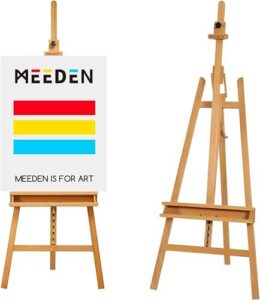
| Studio Easel | Low | Large | Large Canvases, Studios |
| Field Easel | High | Medium | Plein Air Painting |
Health And Safety Considerations
Painting is fun, but sitting for long periods can cause health problems if you don’t pay attention. Here’s what to keep in mind:
Ergonomics
- Keep your back straight and shoulders relaxed.
- Feet flat on the floor for stability.
- Easel at chest level to avoid bending your neck.
Breaks And Movement
Set a timer to remind yourself to stand up every 30–45 minutes. Stretch your arms, neck, and legs before sitting down again.
Air Quality
If you’re using oil paints or strong solvents, open a window or use a fan. Some art supplies can give off fumes.
Cleaning Up
Never pour paint water or solvent down the drain; dispose of them safely. Wash your hands after painting.
Example: A Simple Lap Easel Painting Session
Let’s imagine you want to paint a vase of flowers with acrylics using your lap easel. Here’s how you might set up:
- Sit on a sturdy chair near a window.
- Place your 9×12 inch canvas on the lap easel at a 45-degree angle.
- Lay out your acrylic paints, short brushes, palette, and water cup on a tray by your side.
- Sketch the flower shapes lightly with a pencil.
- Block in the background color using a flat brush.
- Paint the main flower shapes with a round brush.
- Add shadows and highlights, working from the largest areas to the smallest.
- Pause every 40 minutes to stretch your legs.
- Clean your brushes and tidy up your space when finished.
This workflow keeps your space tidy, your body comfortable, and your mind focused on the art.

Credit: www.shutterstock.com
Lap Easel Features: What Matters Most
If you’re shopping for a lap easel, don’t just look at price or style. Think about these important features:
| Feature | Why It Matters |
|---|---|
| Adjustable Angle | Reduces neck and back strain |
| Canvas Size Support | Keeps your work stable |
| Lightweight Material | Easier to carry and use on your lap |
| Non-slip Base | Prevents sliding during painting |
| Foldable Design | Makes storage and transport simple |
Frequently Asked Questions
What Size Canvas Is Best For A Lap Easel?
Most lap easels work best with canvases between 9×12 inches and 12×16 inches. Larger canvases can tip the easel or feel unstable. Always check your easel’s maximum size support before buying canvases.
Can I Use Oil Paints With A Lap Easel?
Yes, you can use oil paints with a lap easel. Just make sure your space is well-ventilated and protect your clothes and furniture from spills. Use a small, stable canvas for best results.
How Do I Stop My Lap Easel From Sliding?
If your lap easel slips, place a rubber mat or towel under it for grip. Some easels have nonslip feet, but you can also use a silicone baking mat or shelf liner as a simple solution.
Are Lap Easels Good For Beginners?
Lap easels are excellent for beginners. They are affordable, easy to use, and don’t need much space. They also encourage good posture and teach you to organize your tools efficiently.
Where Can I Find More Information About Different Easel Types?
You can learn more about various easels and their uses at the Wikipedia Easel page. It gives a detailed overview of easel history, types, and best uses.
Painting with a lap easel is a rewarding experience—both relaxing and productive. By following these steps and tips, you can paint comfortably almost anywhere. The right setup, tools, and habits will help you focus on your art and enjoy the creative process without distraction.
Whether you’re working in a studio apartment, traveling, or just enjoying a quiet afternoon at home, a lap easel offers flexibility and freedom. Happy painting!

Credit: www.vecteezy.com