Claessens linen canvases deliver pro-grade weave, clean priming, and lasting archival value.
You pour time and heart into a painting. The last thing you want is a canvas that pills, warps, or sinks your colors. If you aim for museum-level work or steady studio output, surface matters a lot. In this Claessens linen canvas review, I break down how each roll handles paint, holds up on the stretcher, and justifies the price. I compare textures, priming types, widths, and use cases, so you can choose the right roll once, and paint with confidence.
See the differences between my top picks at a glance.
| Product | Priming | Texture | Width × Length | Best For |
|---|---|---|---|---|
| Claessens #13 Double Oil Primed | Double oil-primed | Very fine | 54″ × 3 yd | Portraits, detail, glazing in oils/alkyd |
| Claessens #066 Unprimed Linen | Unprimed | Medium | 84″ × 6 yd | Custom grounds, widest format, budget per sq. ft. |
| Claessens #66 Single Oil Primed | Single oil-primed | Rough | 82″ × 6 yd | Impasto, visible brushwork, textured effects |
| Claessens #109 Universal Primed | Universal (oil & acrylic) | Medium | 82″ × 5.5 yd | Mixed media, acrylic + oil studios |
| Claessens #20 Oil Primed | Oil-primed | Medium | 82″ × 5.5 yd | General oil painting, alla prima or layered |
Claessens #13 Double Oil Primed Very Fine 54x3yd

This is the Claessens roll I reach for when I need flawless detail. The #13 comes double oil-primed with a very fine tooth. It offers a glass-smooth laydown that keeps edges crisp and glazes even. The 54-inch width and 3-yard length suit portrait sizes, studies, and small-to-midsize commissions.
Paint sits up with clarity and does not sink. You get rich color without extra oiling out. The hand-primed layers feel dense yet responsive under the brush. If you love controlled mark-making and tight drawing, this surface makes that work easy.
Pros:
- Superb smoothness for portraits, realism, and fine detail
- Double oil-primed surface reduces sinking-in and blotchiness
- Excellent edge control for lines, glazes, and scumbles
- Archival hand-primed build from a top-tier mill
- Ready to paint for oil or alkyd with no extra prep
- Consistent roll quality with minimal flaws
Cons:
- 54-inch width limits very large formats
- Not ideal for heavy impasto due to very fine tooth
- Higher price per square foot than coarser options
What Amazon Buyers Are Saying
Shoppers who choose #13 often mention the smooth, even priming and tight weave. Many note clean packing and a professional, ready-to-stretch roll. When concerns appear, they relate to cost and the narrower width. Read recent reviews on the listing to confirm current buyer trends.
My Recommendation
If you paint portraits, still lifes, or any high-detail oil work, #13 shines. It delivers a clean, luxurious surface that saves time and boosts finish quality. I rate it very high for realism and glazing. If you work big or heavy, consider a wider or rougher roll.
| Category | Rating |
|---|---|
| Weave & Surface Uniformity | 5/5 |
| Priming Consistency | 4.9/5 |
| Detail & Edge Control | 5/5 |
| Stretching Ease | 4.6/5 |
| Archival Confidence | 5/5 |
| Value for Money | 4.3/5 |
| Overall Rating | 4.8/5 |
Claessens Unprimed Linen #066 Medium 84x6yd

Need full control? Go unprimed. Claessens #066 gives you a medium texture linen in a huge 84-inch width. You can size and prime it your way: rabbit-skin glue, PVA size, oil ground, or acrylic gesso. If you love dialing in absorbency and tone, this roll puts you in charge.
The 6-yard length makes large series and big panels possible. Per square foot, you get strong value at this quality tier. The weave holds up well during stretching and re-stretching with proper prep. This is my pick for custom grounds and giant work.
Pros:
- Extra-wide 84-inch format for big paintings
- Medium tooth suits many subjects once primed
- Full control over sizing, ground, and color tone
- Great cost efficiency per square foot
- Reliable weave strength for tight stretching
- Ideal for studios that standardize their own grounds
Cons:
- Requires sizing and priming before use
- Improper prep can lead to future issues
- Heavy roll; handling and storage take space
What Amazon Buyers Are Saying
Buyers who go unprimed usually praise the fabric quality and even weave. Many mention the value of the 84-inch width for murals and large canvases. Some note the need to relax the fabric before stretching and that prep adds time and cost. Check current reviews for the latest notes on handling.
My Recommendation
Choose #066 if you prime your own canvases or work very large. It is a strong base for custom builds and studio standards. If you want ready-to-paint convenience, pick a primed option instead.
| Category | Rating |
|---|---|
| Weave Quality | 4.8/5 |
| Customization Potential | 5/5 |
| Stretching & Handling (Once Sized) | 4.6/5 |
| Versatility | 5/5 |
| Value per Sq. Ft. | 4.7/5 |
| Overall Rating | 4.7/5 |
Claessens #66 Single Oil Primed Rough 82x6yd

Love texture? #66 brings a rougher tooth with a single oil-primed ground. It grabs thick paint and rewards bold strokes. Knives, loaded hog bristles, and impasto play well here. The 82-inch width covers large builds with ease.
Color sits bright, and the surface gives a confident drag. You can push and pull paint without the slippery feel of ultra-smooth grounds. If your style shows the weave on purpose, this linen makes that choice look intentional and strong.
Pros:
- Toothy surface holds heavy paint and palette knife work
- Oil priming supports rich chroma and rework
- Wide 82-inch roll for oversized frames
- Great for expressive, gestural marks
- Sturdy weave stands up to stretching tension
Cons:
- Too rough for hyper-detailed portrait work
- Not suitable for acrylic due to oil ground
- Visible weave may show through thin glazes
What Amazon Buyers Are Saying
Artists who buy #66 often point to the grip and bold texture. Some highlight the wide format for statement pieces. Occasional notes mention the weave telegraphing through delicate glazing. Always check the latest comments for packaging and recent batch notes.
My Recommendation
Pick #66 if you want energy in the surface. It is a workhorse for oils with impasto and visible brushwork. If you lean to fine detail, pick a finer linen like #13 instead.
| Category | Rating |
|---|---|
| Texture for Impasto | 5/5 |
| Priming Response (Oil) | 4.7/5 |
| Large-Format Readiness | 4.8/5 |
| Detail Capability | 3.8/5 |
| Value for Money | 4.4/5 |
| Overall Rating | 4.6/5 |
Claessens No.109 Universal Primed Medium 82×5.5yd
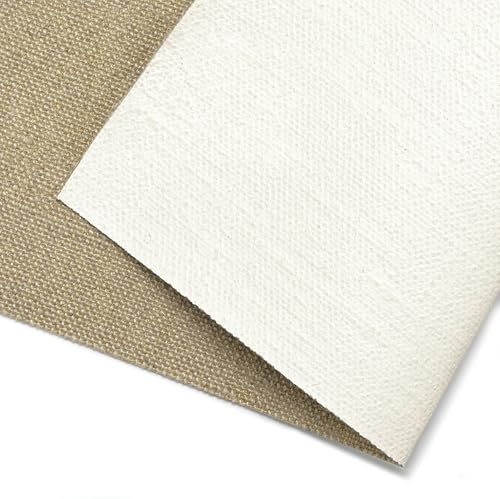
#109 is the flexible studio choice. The universal ground works well with oils and acrylics. The medium texture fits landscapes, figures, and still life. It is a safe pick if you switch mediums or blend acrylic underpainting with oils on top (when fully cured).
The 82-inch width is generous for most builds. Absorbency sits in a sweet spot. Paint grabs well but still moves. If you show work in varied styles, this roll handles it without fuss.
Pros:
- Universal priming supports oil and acrylic workflows
- Medium tooth balances detail and gesture
- Stable, even priming from a trusted maker
- Strong color holdout with less sinking
- Good single-roll solution for mixed studios
Cons:
- Oil purists may prefer the feel of oil-only grounds
- Universal coats can look cooler white than oil grounds
- Premium price versus cotton or budget linens
What Amazon Buyers Are Saying
Many buyers choose #109 for its flexibility. Comments often note reliable priming and a versatile tooth. Some oil specialists still pick oil-primed rolls for a warmer feel. Visit the listing to see the most recent buyer notes.
My Recommendation
Use #109 if you paint in both acrylic and oil, or teach classes. It keeps setup simple and results consistent across mediums. If you only paint in oil and love classic slip, consider #20 or #13.
| Category | Rating |
|---|---|
| Medium Versatility | 5/5 |
| Surface Balance (Tooth vs. Smooth) | 4.6/5 |
| Color Holdout | 4.6/5 |
| Stretching Reliability | 4.7/5 |
| Value for Mixed Studios | 4.7/5 |
| Overall Rating | 4.7/5 |
Claessens No.20 Oil Primed Medium 82×5.5yd

No. 20 is a classic oil-primed, medium-texture linen. It is the “do-most-things-well” option for oils. It takes alla prima, layered painting, and scumbling without fuss. If I had to keep one oil-primed roll for general work, I would pick this one.
You get a warm feel under the brush. Paint stays luminous with solid holdout. The 82-inch width and 5.5-yard length fit most studios. It stretches clean and keeps tension with proper keys.
Pros:
- Balanced tooth for both detail and gesture
- Oil priming supports rich color and easy reworking
- Wide roll suits large and medium builds
- Reliable stretch and restretch when done right
- Great single-roll pick for oil specialists
Cons:
- Not for acrylic painting
- Costs more than cotton canvases
- Needs care with solvents and curing like any oil ground
What Amazon Buyers Are Saying
Oil painters who purchase No. 20 often mention its balanced surface and steady quality. Some call it their daily driver for oils. A few comments note the usual premium price of fine linen. Check the current product page for the latest feedback.
My Recommendation
This is the safest bet for oil painters who want one roll to handle most work. It is consistent, durable, and a pleasure to paint on. If you need ultra-fine detail, step to #13. If you want rough energy, go #66.
| Category | Rating |
|---|---|
| General Oil Performance | 4.8/5 |
| Surface Versatility | 4.7/5 |
| Stretching & Durability | 4.7/5 |
| Color & Chroma | 4.7/5 |
| Value for Oil Painters | 4.5/5 |
| Overall Rating | 4.7/5 |
How to Choose Claessens linen canvas review
Picking the right roll can save time, money, and headaches. Use this quick guide to match Claessens linen to your style, medium, and space. I base these tips on hands-on use, stretching hundreds of canvases, and common studio needs. This Claessens linen canvas review aims to make your choice simple and smart.
1. Match Priming to Your Medium
If you paint only in oil (or alkyd), pick oil-primed. It feels slicker, keeps color bright, and reduces sinking. Choose universal-primed if you paint in acrylic or combine acrylic underlayers with oil on top. Go unprimed if you want custom grounds, toned surfaces, or special absorbency. Remember: do not use acrylic on oil-primed surfaces.
2. Pick the Right Texture and Weight
Very fine textures like #13 help portraits and detail work. Medium textures like #20 and #109 support most subjects. Rough textures like #66 excel with impasto and bold strokes. If you plan to knife or scrub hard, lean to medium or rough. If you glaze and draw tight edges, go fine. Plan texture around your brush choice too.
3. Size, Format, and Value
Know your stretcher sizes and studio space. Choose 82–84-inch rolls for large builds and fewer seams. Pick 54-inch rolls for portraits and tight spaces. Unprimed linen often gives better value per square foot. Primed linens save time and deliver repeatable results. Balance up-front price with your hourly rate and deadlines.
Final Verdict: Which Should You Buy?
The best all-rounder for oils is Claessens No. 20. For portraits and ultra-fine work, #13 wins. If you paint big or want texture, #66 and #066 fit the bill. For mixed media, #109 is the safe pick.
This Claessens linen canvas review shows there is a right roll for every style. Pick by medium and texture, then size. Paint with confidence.
FAQs Of Claessens linen canvas review
Is Claessens linen worth the price?
Yes, if you value stable weave, clean priming, and archival build. It saves prep time and reduces surface issues.
What is the difference between oil-primed and universal-primed?
Oil-primed suits oils and alkyds only. It feels slicker and boosts color. Universal-primed works for oils and acrylics with balanced absorbency.
Can I use acrylic on oil-primed Claessens linen?
No. Acrylic does not bond well to oil grounds. Use universal-primed or unprimed with acrylic gesso instead.
Which Claessens linen is best for portraits?
#13 double oil-primed with a very fine texture. It supports crisp edges and smooth glazing.
Which roll should I choose for heavy impasto?
#66 single oil-primed with a rough tooth. It grips thick paint and stands up to knives and bristle work.
Do I need to size unprimed Claessens linen?
Yes. Size unprimed linen before priming to seal fibers. Use PVA or traditional glue, then apply your ground.
How do I store leftover linen rolls?
Keep them rolled on the core, wrapped, and upright. Store in a dry, cool area away from sunlight and moisture.
What width should I buy for large paintings?
Pick 82–84 inches for big builds. It reduces seams and keeps options open for future formats.