If you want your oil paintings to stand out, understanding the right mediums is key. Choosing the best oil painting mediums can change everything—from how your paint flows to how your colors dry and shine.
But with so many options out there, it’s easy to feel overwhelmed or unsure which one suits your style and goals. This guide breaks down the most popular oil painting mediums in simple terms, helping you pick the perfect match for your creative process.
Keep reading, and you’ll soon unlock tricks that make your artwork more vibrant, easier to work with, and truly your own.
Types Of Oil Mediums
Oil painting mediums change the way paint behaves on the canvas. They affect drying time, gloss, and texture. Choosing the right medium helps control your painting style and finish. Different types of oil mediums offer unique benefits for artists.
Understanding these types helps you pick the best medium for your work. Here are some common oil painting mediums used by artists worldwide.
Linseed Oil
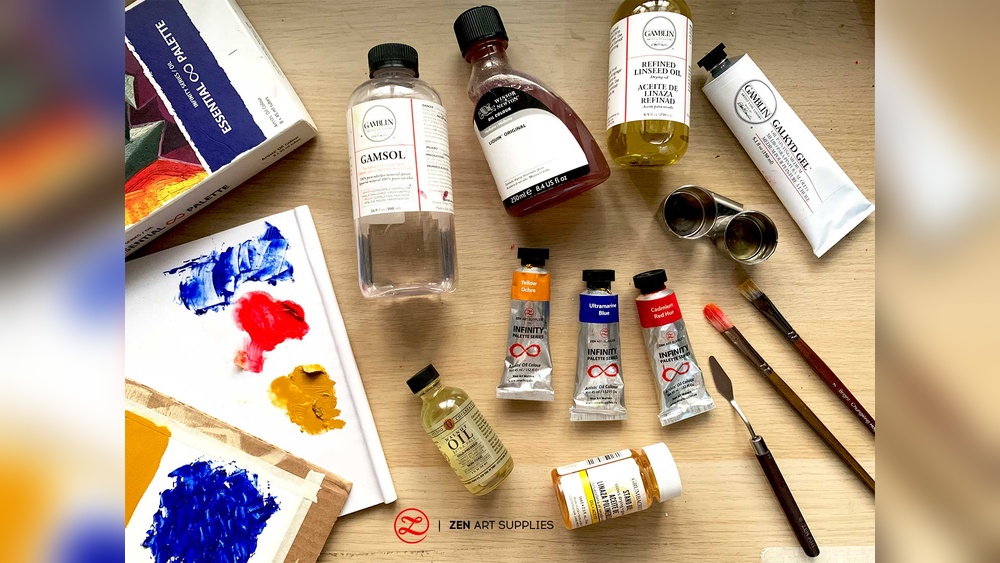
Linseed oil is the most popular oil painting medium. It comes from flax seeds and has a golden color. It dries relatively fast and adds a smooth, glossy finish. This oil improves paint flow and enhances color depth. Artists often use it to thin paint and increase gloss.
Walnut Oil
Walnut oil is a natural alternative to linseed oil. It has a lighter color and slower drying time. This medium reduces yellowing over time. Walnut oil offers a smooth texture and is less sticky than linseed oil. It works well for artists who want a clear, durable finish.
Poppy Oil
Poppy oil is a pale oil with a very slow drying time. It is ideal for whites and light colors. This oil helps keep colors bright and prevents darkening. Poppy oil creates a soft, glossy surface but can be less durable. It is best for delicate, detailed work.
Stand Oil
Stand oil is a thick, viscous oil made by heating linseed oil. It produces a smooth, enamel-like finish. This medium reduces brush marks and increases drying time. Stand oil adds flexibility and durability to the paint film. Artists use it for glazing and fine detail work.
Liquin And Synthetic Mediums
Liquin is a popular synthetic medium that speeds up drying time. It also improves paint flow and transparency. Synthetic mediums are often less yellowing than natural oils. They help create smooth textures and make cleaning brushes easier. These mediums suit artists who want faster results.
Effects On Paint
Oil painting mediums affect how paint behaves on the canvas. They change the paint’s drying time, shine, texture, and color depth. Choosing the right medium helps artists control their painting style and final look.
Understanding these effects lets painters create smooth blends or thick, textured strokes. Each medium offers unique benefits for different techniques.
Drying Time
Mediums can speed up or slow down paint drying. Fast-drying mediums help artists work quickly. Slow-drying ones allow more time to blend colors. This control helps with layering and detail work.
Gloss And Sheen
Some mediums add shine to paint, making colors look bright and fresh. Others create a matte finish, reducing glare. The gloss level affects how light interacts with the painting’s surface.
Texture And Consistency
Mediums change paint thickness. Thin mediums make paint flow smoothly for fine lines. Thick mediums add body, perfect for bold strokes and texture. This affects brush movement and paint application.
Color Saturation
Mediums can deepen or soften paint colors. Some increase pigment intensity for vivid hues. Others mellow colors for a softer look. This enhances the painting’s mood and depth.
Choosing The Right Medium
Choosing the right oil painting medium affects your painting’s texture, drying time, and finish. Each medium changes how paint flows and looks on the canvas. Picking the best one for your style can improve your results and make painting more enjoyable. Consider your skill level and the effect you want before selecting a medium.
For Beginners
Beginners need simple and safe mediums. Linseed oil is a good start. It improves paint flow without much change in drying time. It keeps colors rich and easy to work with.
Advanced Techniques With Oil Mediums
Once you are comfortable with basic mediums, exploring advanced techniques can elevate your artwork. Experimenting with different mediums allows for unique textures and finishes.
Layering And Glazing
Using mediums like stand oil for glazing can create depth and luminosity in your paintings. Layering with different drying times can add complexity to your work.
Impasto Techniques
Thicker mediums can be used for impasto techniques, adding a three-dimensional effect to your paintings. This approach is ideal for artists looking to add texture and movement.