Quick answer: To use acrylic paint as watercolor, thin a fluid or soft-body acrylic with water and an acrylic glazing or flow medium until it’s transparent, then apply it on watercolor paper or a smooth white surface in light-to-dark layers. Work in small areas, because thin acrylic dries in minutes and won’t rewet. The big difference from real watercolor is permanence: you can’t lift dried acrylic, but you can glaze over it without disturbing the layer below.
Acrylic and watercolor are cousins in one important way: both are water-based, so acrylic can be thinned into washes that look a lot like watercolor. The finished effect is close, but the behavior is different enough that watercolor habits sometimes backfire. Knowing those differences is what makes the technique work.
This guide covers how to use acrylic paint like watercolor, which paints and mediums thin best, the right paper, step-by-step methods, and honest comparisons with real watercolor. If you’re shopping for paint that handles well when thinned, our guide to the best acrylic paint brands compares fluid, soft-body and heavy-body options.
Acrylic Paint vs Watercolor: The Differences That Matter
| Property | Acrylic (thinned) | Watercolor |
|---|---|---|
| Binder | Acrylic polymer emulsion | Gum arabic |
| After drying | Permanent, water-resistant film | Rewets and can be lifted |
| Layering | Glazes don’t disturb lower layers | Lower layers can lift if scrubbed |
| Drying time (thin wash) | Often 5–15 minutes | Similar, but stays workable when rewet |
| Luminosity | Good; can look slightly plasticky if overloaded | Excellent, very luminous |
| Granulation and blooms | Limited, depends on pigment | Pronounced with certain pigments |
| Corrections | Paint over; can’t lift | Lift with damp brush or tissue |
| Surfaces | Paper, canvas, wood, many primed surfaces | Mainly paper |
In short: acrylic gives you watercolor-like transparency with permanence, which some painters love (no accidental lifting) and others miss (no softening edges later).
Which Acrylics Work Best as Watercolor
- Acrylic inks: the most watercolor-like. Very fluid, intensely pigmented and transparent when thinned. Our Daler-Rowney acrylic ink review looks at one widely available option.
- Fluid acrylics: pourable, highly pigmented paint that thins evenly without clumping. See our Daler-Rowney fluid acrylic review for how one fluid line behaves.
- Soft-body acrylics: creamy, easier to dilute than heavy body, and a good all-round choice.
- Heavy-body acrylics: usable, but they need more mixing to dissolve fully. Undissolved specks can leave streaks.
- Student and craft acrylics: work for practice, though some contain more filler, which can make thin washes look chalky or uneven.
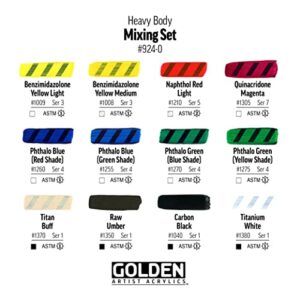
Transparent pigments, such as phthalo blue, quinacridone magenta and hansa yellow, give the cleanest watercolor effect. Opaque pigments like cadmiums and titanium white look milky when thinned.
Water vs Medium: How to Thin Acrylic Safely
Thinning acrylic with lots of water spreads the polymer binder thin. On an absorbent surface like watercolor paper, that’s usually fine, because the paper fibers help hold the pigment. On non-absorbent surfaces such as primed canvas, very heavy dilution with water alone can leave a weak film that may lift or rub off.
A practical approach many painters follow:
- Light dilution (roughly equal parts paint and water): fine on most surfaces.
- Heavy dilution (mostly water): add an acrylic glazing medium or airbrush/flow medium so the binder stays strong.
- Flow improver / flow release: a few drops reduce surface tension, so washes spread more smoothly and evenly.
Manufacturers publish their own guidance on dilution, and it varies by product, so check the label or the brand’s technical sheet if you plan very thin washes on canvas.
Can You Use Acrylic Paint on Watercolor Paper?
Yes, and it’s one of the best surfaces for this technique. Watercolor paper absorbs water, helping thin acrylic sink in and dry evenly, much as real watercolor does.
- Weight: 140 lb (300 gsm) or heavier resists buckling.
- Texture: cold-press gives a classic watercolor look with texture; hot-press is smoother for fine detail.
- Preparation: tape all four edges to a board.
Can you use watercolor paper for acrylics generally?
Yes, for thin and medium applications. For thick, heavy paint, acrylic paper or canvas panels are better because they’re primed and stiffer. Very thick acrylic on watercolor paper can cause the sheet to curl as it dries.
Acrylic paper vs watercolor paper
Acrylic paper is usually primed or textured to imitate canvas and resists water, so washes sit on top and can bead. Watercolor paper is sized to accept water and soft blending. For acrylic used as watercolor, watercolor paper gives the more authentic result.
How to Use Acrylic Paint Like Watercolor, Step by Step
- Set up two water jars, one for rinsing and one clean, plus a small cup of glazing medium.
- Mix washes in a well palette. Combine a small amount of paint with water and medium. Aim for a tea-like transparency for first layers. Stir thoroughly so no undissolved paint remains.
- Test on scrap. Brush a stroke on a scrap of the same paper. Acrylic often dries a little darker, so judge the dry color.
- Dampen the area for soft, wet-on-wet effects, or keep it dry for crisper edges.
- Apply the first wash quickly, with a large soft brush. Don’t go back over drying areas; acrylic starts to set fast and brushing back can leave streaks.
- Let it dry completely, usually within 10–15 minutes for thin washes.
- Glaze stronger layers. Because the dried layer is permanent, you can glaze over it freely without lifting. This is one of the main advantages over watercolor.
- Add details with a small round brush and less-diluted paint.
Keeping washes workable longer
- Mist the paper lightly with a spray bottle.
- Add a slow-drying (retarder) medium in small amounts, following the label.
- Work in a cool, humid room rather than near a heater or fan.
- Paint smaller sections at a time.
Choosing transparent colors
Most tube labels show a transparency symbol: an empty square for transparent, a half-filled square for semi-transparent and a filled square for opaque. For watercolor-style work, a starting set of transparent pigments could include:
- A transparent yellow, such as hansa yellow or a transparent yellow iron oxide
- A quinacridone magenta or rose
- Phthalo blue and ultramarine blue
- A transparent red iron oxide or burnt sienna for earths
- Phthalo green for strong, clean greens
Avoid adding white to lighten colors. In watercolor-style painting, lightness comes from more water and the white of the paper, which keeps washes glowing instead of chalky.
Watercolor Brushes vs Acrylic Brushes
Watercolor brushes are soft and absorbent, designed to hold lots of liquid. Acrylic brushes are usually stiffer synthetic fibers built to push thicker paint. For watercolor-style acrylic, soft synthetic watercolor brushes work well because they carry thin washes evenly.
The catch: acrylic dries in brushes and can ruin them. Rinse brushes often during the session, never let paint dry in the bristles, and avoid using your best natural-hair watercolor brushes for acrylic. Keeping a separate set for acrylic is the safest approach.
Can You Mix Acrylic and Watercolor?
You can use them in the same painting, but mixing them in the same puddle isn’t recommended. Combining the two binders tends to produce unpredictable results, and the mix won’t fully behave like either paint.
Layering works better:
- Watercolor under acrylic: paint watercolor washes first, let them dry, then add acrylic on top. The acrylic seals the watercolor beneath it.
- Acrylic under watercolor: watercolor on top of dried acrylic can bead or sit loosely, because the acrylic film is less absorbent. Results vary; test first.
- Using acrylic to “lock” a layer: some painters use thin acrylic for early layers that they don’t want to lift, then switch to watercolor for softer final passes.
Acrylic Gouache vs Watercolor Gouache
Traditional gouache is opaque watercolor: it rewets like watercolor. Acrylic gouache looks matte and opaque like gouache but dries permanent like acrylic. If you like the flat, matte look of gouache but want permanent layers, acrylic gouache is worth exploring. Neither is the same as thinned acrylic, which is transparent rather than opaque.
Watercolor Techniques That Work (and Don’t) with Acrylic
| Technique | Works with thinned acrylic? | Notes |
|---|---|---|
| Flat and graded washes | Yes | Work quickly; a flow medium helps even out the wash |
| Wet-on-wet | Yes | Soft edges form, but the window is shorter before the paint sets |
| Glazing | Yes, very well | Dried layers won’t lift, so glazes stay clean |
| Dry brush | Yes | Use slightly thicker paint on textured paper |
| Lifting dried paint | No | Lift only while wet, with a tissue or thirsty brush |
| Salt texture | Partly | Effects are usually subtler than with watercolor |
| Masking fluid | Yes | Remove gently once paint is fully dry |
| Granulation | Limited | Depends on the pigment; few acrylics granulate strongly |
The main habit to change is reliance on lifting. In watercolor, you can soften an edge or pull out a highlight after the paint dries. With acrylic, all of that has to happen in the first minute or two, or be planned in advance by leaving the paper white.
Finishing and Displaying Your Work
One of the practical benefits of acrylic washes is how you can display the result. Once completely dry, a watercolor-style acrylic painting on paper can be sealed with an acrylic varnish suitable for paper, which adds water resistance and evens out sheen. Some painters then mount the paper on a cradled wood panel and hang it without glass. Test varnish on a scrap first, because brushing it over thin layers can occasionally reactivate or streak the paint if the layer isn’t fully cured; a spray varnish avoids that risk. If you prefer a traditional look, frame it behind glass with a mat just as you would a true watercolor.
Common Mistakes
- Overworking drying washes, which causes streaks and lifted edges.
- Using opaque colors for transparent effects, producing milky, chalky washes.
- Undissolved paint lumps from heavy-body acrylic.
- Letting paint dry in brushes.
- Expecting to lift highlights later. Plan and reserve whites from the start, as you would in watercolor.
- Extreme dilution with water alone on canvas, which can weaken adhesion.
Project Ideas to Practice
- A graded sky wash from deep blue to almost nothing, to learn drying speed.
- A layered botanical, glazing three transparent layers to show off acrylic’s permanence.
- A loose landscape on watercolor paper with a varnished finish, so it can be framed without glass.
- A mixed-media piece with watercolor washes underneath and acrylic details on top.
FAQs
How do you use acrylic paint like watercolor?
Thin a fluid or soft-body acrylic with water and a glazing or flow medium until transparent, then paint light to dark on watercolor paper or another white surface. Work quickly in small areas and let each layer dry before glazing over it.
Can you mix acrylic and watercolor paint?
Mixing them in one puddle isn’t recommended, because the different binders behave unpredictably. Layering works better: watercolor washes first, then acrylic on top once dry.
Can you use acrylic paint on watercolor paper?
Yes. Watercolor paper is one of the best surfaces for thinned acrylic because it absorbs water like it does for watercolor. Use 140 lb or heavier paper and tape it down to limit buckling.
Acrylic paint vs watercolor: which is easier for beginners?
Acrylic is often more forgiving, because dried layers are permanent and can be painted over. Watercolor is harder to correct but more luminous and lifts for soft edges. Many beginners start with acrylic and add watercolor later.
Do I need special brushes for watercolor-style acrylic?
Soft synthetic watercolor brushes work best for thin washes. Rinse them often, since acrylic that dries in bristles is hard to remove. Avoid using expensive natural-hair watercolor brushes with acrylic.
Will thinned acrylic paint fade or peel?
On absorbent paper, thinned acrylic generally holds well. On non-absorbent surfaces, very heavy dilution with water alone can weaken adhesion, so add an acrylic medium. Lightfastness depends on the pigments, so check ratings on the tube.
Final Thoughts
Using acrylic as watercolor gives you transparent washes that stay put, which makes layering and framing easier. The keys are the right paint (fluid acrylic or ink), a medium for heavy dilution, absorbent paper and quick, confident brushwork. To choose a paint line that thins evenly and holds color, see our breakdown of top acrylic paint brands for every style.