Have you ever started a painting only to struggle with a canvas that just doesn’t cooperate? Rough textures, uneven surfaces, or canvases that warp can quickly turn a relaxing creative session into a frustrating experience. In this Fredrix Canvas Review, we explore how choosing the right canvas can make all the difference.
Choosing the right canvas makes all the difference. It helps your brush glide smoothly, your colors pop, and your ideas come to life without hassle. That’s why finding quality canvases like the Fredrix series can change how you create every day.
Whether you’re a beginner or a seasoned artist, having the right materials makes your work easier and more enjoyable. In this review, I’ll walk you through some of the best Fredrix canvases available. By the end, you’ll know which options fit your style and needs perfectly. Let’s dive in and find the perfect canvas for your next masterpiece.
Why Choose Fredrix Canvas?
Fredrix canvases are renowned for their quality and versatility, making them a favorite among artists of all levels. Let’s explore some of the top options available.
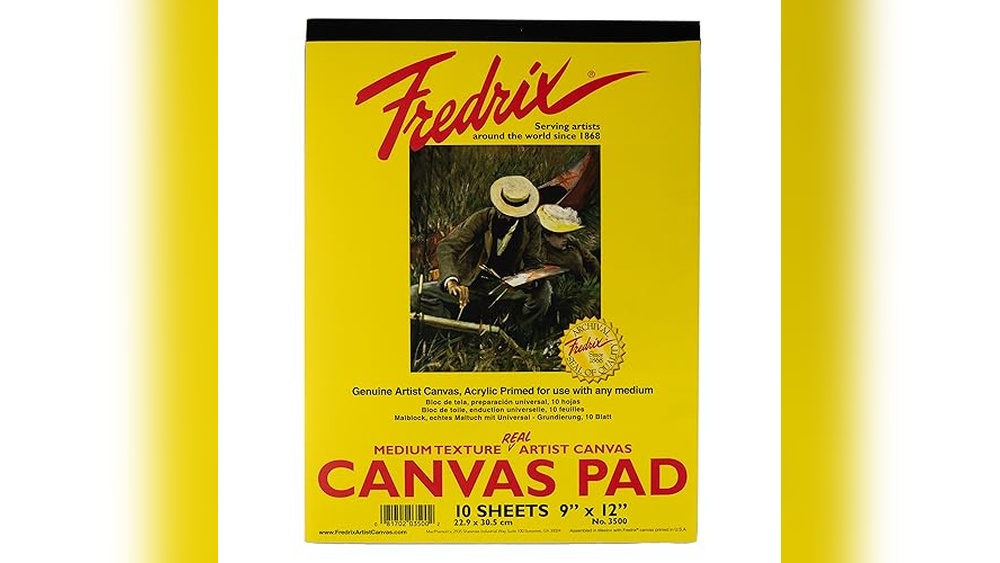
Fredrix Creative Series White Canvas Pad

The Fredrix Creative Series White Canvas Pad, 9″ x 12″ is ideal for artists, students, and hobbyists seeking a portable and convenient surface for painting and sketching. This canvas pad is perfect for those who want to experiment with different mediums without the hassle of stretching individual canvases. Whether you are a beginner or an experienced painter, this item provides a versatile and accessible solution for your creative projects.
Pros:
- High-quality white canvas surface ready for painting.
- Compact 9″ x 12″ size ideal for travel and easy storage.
- Lightweight design at 0.7 pounds for portability.
- Durable Fredrix brand known for quality art supplies.
- Convenient pad format allows easy removal of individual canvases.
Cons:
- Limited to smaller canvas size, not suitable for large-scale projects.
- Canvas thickness of 0.5 inches may not be ideal for heavy texture work.
- Not pre-stretched, which may require extra preparation for some users.
The Fredrix Creative Series White Canvas Pad offers a smooth and consistent surface that enhances the application of acrylics, oils, and mixed media. Its white base allows colors to stand out vividly, making it a favorite choice for artists who want to bring their ideas to life with clarity and vibrancy. The pad format ensures that you can easily flip through multiple canvases, giving you the freedom to work on several projects simultaneously without the need for individual framing or stretching.
Additionally, the compact dimensions of this canvas pad make it highly portable, enabling artists to take their work anywhere, whether to a studio, classroom, or outdoor setting. Its lightweight design does not compromise on quality, providing a durable and reliable surface that supports creative expression. Overall, the Fredrix Creative Series White Canvas Pad balances convenience, quality, and versatility, making it an excellent choice for artists at any skill level.
To buy this product, click here.
Fredrix Ultrasmooth Stretched Canvas
How to Judge a Pre Stretched Canvas
Fabric and weight
Most pre stretched canvases are cotton duck. Heavier cloth, around 10 ounce or more, flexes less under the brush and resists sagging. Lighter canvas is fine for studies and practice.
Priming
Count the gesso coats if the maker states them, and look at the surface. A good acrylic primed canvas has an even, slightly toothy white surface with no bare patches along the edges. Triple primed canvas is smoother; single primed canvas is more absorbent.
Tension
Tap the face. A properly stretched canvas sounds like a drum and does not dimple under light finger pressure. A slack canvas gets worse with humidity and with paint weight.
Stretcher bars
Kiln dried timber resists warping. Look for keys or wedges in the inside corners, which let you re tighten the canvas later. Check the frame lies flat on a table; a twisted stretcher never hangs straight.
Profile
Standard profiles around 18 to 20mm deep usually get framed. Gallery wrap profiles around 35 to 40mm deep are designed to hang unframed, with the image or a painted colour carried round the edges.
Getting the Best from Any Canvas
Even a well primed canvas benefits from one extra thin coat of gesso, sanded lightly when dry. It reduces absorbency and gives a smoother surface for detailed work. For oils, a toned ground wiped over the gesso gives a mid value surface that makes colour judgements far more accurate than bright white.
If a canvas slackens after painting, tap the wedges gently into the corners on the back, a little at a time and evenly on all corners. Never tap so hard that the canvas becomes drum tight on an old painting, because that can crack the paint film. Store canvases upright or flat, away from damp, and never lean anything against the face.
Frequently Asked Questions
What weight of canvas is best for painting?
Around 10 ounce cotton duck or heavier for stretched paintings. Lighter canvas flexes under the brush and slackens more readily.
What does triple primed canvas mean?
Three coats of gesso have been applied. The surface is smoother and less absorbent than single primed canvas, which suits detailed work.
What are canvas keys for?
They are small wedges tapped into the inside corners of the stretcher to tighten a canvas that has slackened. Tap them in gently and evenly.
What is a gallery wrap canvas?
A deep profile canvas, usually 35 to 40mm, designed to hang without a frame, with the image or a painted colour continuing round the edges.