Plain terra-cotta pots are cheap, sturdy and perfect for plants, but that orange-brown color doesn’t suit every room or patio. Painting them is one of the quickest home craft upgrades there is. A single afternoon can turn a stack of basic pots into color-dipped planters, mandala dot art or a speckled terrazzo set. The tricky part is that clay is porous and constantly exposed to water, so paint that isn’t applied correctly can peel, bubble or develop a chalky white bloom. This guide covers how to do DIY painted clay pots that last, plus creative design ideas for every skill level.
Quick answer: To paint clay pots, wash and dry them completely (24 hours or more), seal the inside with a waterproof sealer so moisture from the soil doesn’t push through, then prime the outside. Apply two to three thin coats of acrylic or multi-surface craft paint, add your design, and finish with a clear sealer rated for outdoor use if the pot will live outside. Let everything cure fully before planting.
The paint itself matters, especially for pots that sit in sun and rain. Our guide to the best paint for clay pots and terra-cotta planters compares options for indoor and outdoor use.
Why Painted Clay Pots Peel (and How to Prevent It)
Terra-cotta is unglazed, fired clay, full of tiny pores. That’s great for plants, because it lets roots breathe and excess moisture evaporate. It’s less great for paint. When you water a plant, moisture moves through the clay walls toward the outside surface. If the outside is painted and unsealed on the inside, that moisture can push against the paint film, causing:
- Peeling and flaking: paint loses adhesion as water pushes from beneath.
- Bubbling: moisture trapped under the paint forms blisters.
- Efflorescence: a white, powdery crust caused by mineral salts carried through the clay by water and deposited on the surface.
- Mold or mildew: in damp, shaded spots.
The fix is a barrier. Sealing the inside of the pot slows moisture moving outward, and priming and sealing the outside protects the paint layer. Some gardeners leave the drainage hole and the bottom unpainted to keep some breathability, which is reasonable as long as the walls are sealed.
Materials for DIY Painted Clay Pots
- Terra-cotta pots and saucers in any size.
- Scrub brush and mild soap for cleaning.
- Fine sandpaper (around 220 grit) for rough spots and drips.
- Waterproof sealer for the inside of the pot.
- Primer: acrylic gesso or a primer suitable for porous surfaces.
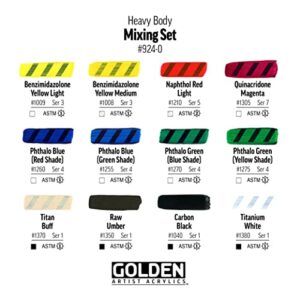
- Paint: acrylic craft paint, multi-surface acrylic or outdoor acrylic.
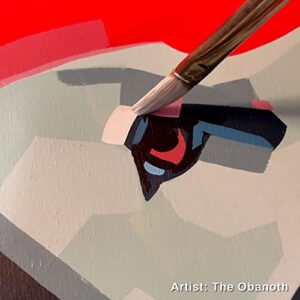
- Brushes: a 1 inch flat or foam brush for base coats, small rounds and liners for details.
- Design tools: painter’s tape, dotting tools, pencil erasers, sponges and stencils.
- Clear topcoat: brush-on or spray, rated for outdoor use if needed.
- Drop cloth and gloves.
Indoor vs Outdoor Pots: What Changes
| Factor | Indoor pots | Outdoor pots |
|---|---|---|
| Paint type | Acrylic craft paint works well | Outdoor or multi-surface acrylic recommended |
| Interior sealing | Strongly recommended | Essential |
| Topcoat | Optional but improves durability | Outdoor-rated clear sealer with UV resistance |
| Main threats | Water from watering, humidity | Rain, sun fading, freeze-thaw cycles |
| Expected touch-ups | Rare if sealed | Every season or two in harsh climates |
In regions with freezing winters, bring terra-cotta pots indoors or store them dry. Water absorbed into clay expands when it freezes and can crack pots regardless of paint.
How to Do DIY Painted Clay Pots: Step by Step
Step 1: Clean the Pots
Scrub new pots with warm water and mild soap to remove dust and price-sticker residue. For used pots, scrub off soil, mineral deposits and algae; a soak in diluted vinegar can help loosen white crust. Rinse thoroughly.
Step 2: Dry Completely
This is the step people rush. Clay holds water inside its walls even when the surface feels dry. Let pots dry for at least 24 hours in a warm, dry spot, and longer after soaking. Painting damp clay is one of the most common causes of peeling.
Step 3: Sand Rough Spots
Lightly sand any rough edges, mold lines or bumps. Wipe away dust with a dry cloth.
Step 4: Seal the Inside
Brush or spray a waterproof sealer on the inside walls, and on the rim if you plan to paint it. Apply two coats if the product recommends it. Let it dry according to the label.
If you’re growing edible herbs or vegetables, consider using a liner pot (a plastic nursery pot placed inside the painted pot) so soil doesn’t contact sealer or paint. Check product labels for any guidance on contact with food plants.
Step 5: Prime the Outside
Brush on a coat of gesso or primer over the areas you’ll paint. Primer fills the clay’s pores, helps paint grip and makes colors brighter, especially light colors and pastels that would otherwise look muddy over orange clay.
Step 6: Paint the Base Coat
Apply two to three thin coats of your main color, letting each dry before the next. Thin coats dry harder and are less likely to peel than one thick coat. Paint the rim and an inch or two down the inside if the inside top edge will show above the soil.
Step 7: Add Your Design
Use tape, dotting tools, stencils or freehand brushwork to create patterns. Let each color dry before adding another on top.
Step 8: Seal the Outside
Once the paint has dried for at least a day, apply two thin coats of clear sealer. Matte keeps a natural clay look, while gloss gives a ceramic-like shine. For outdoor pots, choose a sealer rated for exterior use with UV resistance.
Step 9: Cure Before Planting
Paint and sealer can feel dry within hours but take longer to cure fully. Many products suggest waiting several days before exposing them to regular watering. Follow your sealer’s instructions.
DIY Painted Clay Pot Ideas
Beginner-Friendly Designs
1. Color-dipped pots. Tape a straight or diagonal line around the pot and paint only the bottom portion, leaving the top as natural terra-cotta. This “dipped” look is modern and needs only one color.
2. Painted rims. Paint only the rim in a bold color or metallic. It’s a fast way to update a set of pots and makes them look coordinated.
3. Polka dots. Dip a pencil eraser, a dowel end or a dotting tool in paint and stamp dots in rows or random scatters. Vary sizes for a playful look.
4. Simple stripes. Wrap rubber bands or tape around the pot to create horizontal stripes, then paint between them. Thick and thin stripes in two colors look striking.
5. Two-tone ombre. Blend two colors from bottom to top while the paint is wet, or layer three shades of the same color in bands.
Intermediate Designs
6. Geometric triangles. Use painter’s tape to mask triangles or chevrons, then fill sections with different colors. Peel tape while paint is slightly damp for crisp lines.
7. Terrazzo speckle. Paint a white or cream base, then dab irregular chips of color with a small brush in two or three shades, varying size. Finish with tiny dots in a darker color.
8. Sponge-textured stone. Dab gray, beige and white with a natural sponge over a base coat to mimic concrete or granite.
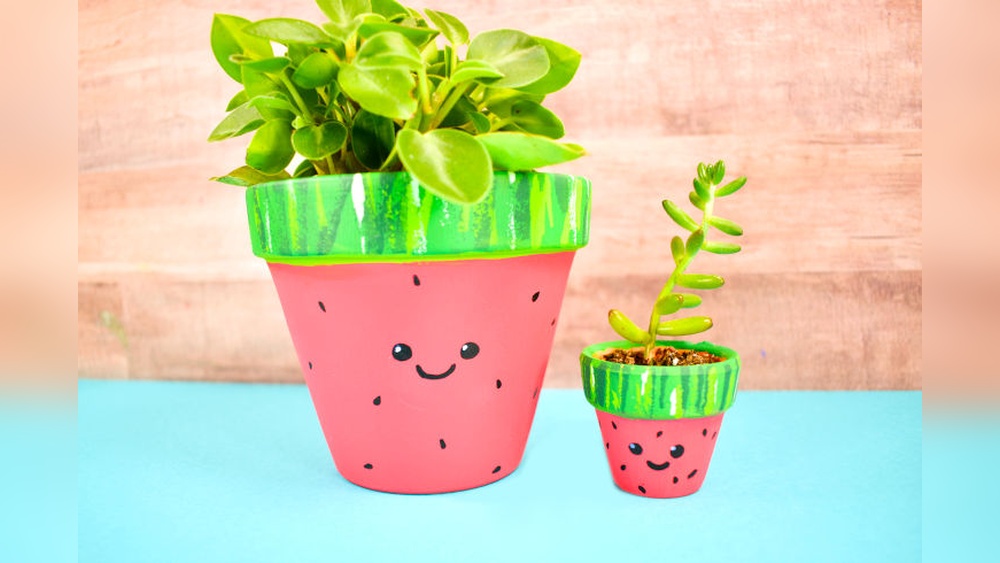
9. Faces and characters. Paint simple faces, sleepy eyes or cartoon expressions. When a plant grows out of the top, it looks like hair, which kids especially enjoy.
10. Chalkboard band. Paint the rim or a band with chalkboard paint and label each herb or plant. Great for kitchen windowsills.
Advanced Designs
11. Mandala dot art. Build circular patterns of dots radiating from a central point on the pot’s side or saucer. Use dotting tools in graduated sizes and plan your color sequence.
12. Botanical illustrations. Paint leaves, ferns or flowers freehand with small round brushes. Light pencil sketches help.
13. Metallic leaf accents. Apply gold or copper leaf to the rim or in random patches over a dark base coat, then seal carefully.
14. Landscape scenes. Paint a continuous scene, like a mountain range or ocean waves, wrapping around the pot.
Color Ideas for Painted Pots
- Soft neutrals: white, cream, sand and gray let green plants take center stage.
- Earthy tones: terracotta, olive, mustard and rust suit boho and Mediterranean styles.
- Bold brights: cobalt, coral, sunflower yellow and emerald create a cheerful patio.
- Monochrome sets: paint a group in different shades of one color for a cohesive look.
- Black and white: graphic patterns in black on white are timeless and pair with any plant.
DIY Craft Paint Storage Ideas Using Painted Pots
Painted clay pots aren’t just for plants. They make charming organizers in a craft room:
- Fill a painted pot with floral foam and stand brushes in it, bristles up.
- Stack small pots on a shelf for markers, pencils and paint pens.
- Use large saucers as trays for bottles of craft paint, sorted by color.
- Label pots with chalkboard paint so supplies are easy to find.
Troubleshooting Painted Clay Pots
| Problem | Likely cause | Fix |
|---|---|---|
| Paint peeling or flaking | Damp clay when painted, unsealed interior | Strip loose paint, dry the pot thoroughly, seal inside, re-prime and repaint |
| White powdery film | Efflorescence from mineral salts | Brush off when dry, wipe with diluted vinegar, dry thoroughly and seal |
| Bubbles in paint | Moisture or air trapped under paint | Sand bubbles flat once dry, touch up and seal |
| Colors fading outdoors | UV exposure | Use outdoor paint and a UV-resistant topcoat; touch up seasonally |
| Sticky or tacky finish | Thick sealer coats, humidity | Apply thin coats and allow longer drying in a ventilated area |
| Cracked pot | Freeze-thaw cycles | Store pots dry and indoors during freezing weather |
Common Mistakes to Avoid
- Painting a damp pot. Always allow full drying time.
- Skipping the inside seal. This is the main reason painted terra-cotta peels.
- Using one thick coat. Thin layers bond better and are more durable.
- Sealing too soon. Paint needs time to dry before topcoating, or the sealer can cloud or wrinkle.
- Planting immediately. Watering before paint and sealer cure can undo your work.
Turning Pots into Gifts
Painted pots with a small succulent, herb or bulb make thoughtful handmade gifts for teachers, hosts and holidays. Add a painted saucer, a handwritten plant care tag and a ribbon. For seasonal sets, paint snowflakes for winter, pastel florals for spring or pumpkins and leaves for fall.
How Long Do Painted Clay Pots Last?
With a sealed interior, primed exterior and good topcoat, indoor painted pots can look fresh for years. Outdoor pots face sun, rain and temperature swings, so expect some fading or wear over time, especially on south-facing patios. A quick inspection each spring lets you touch up chips and add a fresh coat of sealer before damage spreads.
FAQs
What kind of paint do you use on clay pots?
Acrylic craft paint works for indoor pots. For outdoor pots, choose outdoor or multi-surface acrylic paint, and finish with an outdoor-rated clear sealer.
Do I need to seal clay pots before painting?
Sealing the inside is strongly recommended because moisture from soil moves through the clay and can make exterior paint peel. Priming the outside also improves adhesion.
Why is my painted terra-cotta pot peeling?
Most often, the pot was damp when painted or the inside wasn’t sealed, so water pushed through the clay and lifted the paint.
Can I paint the inside of a clay pot?
You can seal the inside and paint the top inch or two of the rim. For edible plants, using a liner pot keeps soil away from paint and sealer.
How long should painted clay pots dry before planting?
Allow the paint to dry for at least a day before sealing, then let the sealer cure according to its label, often several days, before regular watering.
Can I use spray paint on terra-cotta pots?
Yes. Spray paint works well for even base coats, especially on multiple pots. Use it outdoors with good ventilation, still seal the inside, and apply a clear topcoat for outdoor use.
Final Thoughts
DIY painted clay pots last when you respect the material: dry the clay completely, seal the inside, prime, paint in thin coats and protect the finish. Once those basics are in place, the design possibilities are endless, from simple dipped pots to detailed mandalas. When you’re ready to choose colors that hold up to water and sunshine, check our recommendations for the top acrylic paints for terra-cotta and clay planters.