PaintingProGuide is reader-supported. When you buy through links on this page we may earn an affiliate commission at no extra cost to you.
Quick answer: If you want to stretch and prime your own painting surface, the U.S. Art Supply 10-ounce unprimed canvas roll (63 inches by 6 feet) is the best starting point: heavy enough for oils once gessoed, wide enough for most easel sizes, and sold specifically as an artist canvas rather than a general fabric. For a cheaper way to sample 10-ounce duck by the yard, the PHOENIX 72-inch unprimed canvas is a strong alternative. Painters who want raw canvas already stretched for staining or absorbent-ground work should go straight to the SUNBELT unprimed gallery-wrapped 16×20.
Unprimed canvas is cotton duck fabric that has not been sized or coated with gesso. Buying it raw gives you control over everything that follows: the tension on the bars, the number and type of primer coats, the tooth of the finished surface and whether you leave areas bare for staining. It is also considerably cheaper per square foot than pre-primed roll canvas, which is why students and painters working large tend to end up here.
The catch is that a lot of listings for cotton duck are aimed at upholsterers, bag-makers and people buying drop cloths. The fabric can be identical, but weave tightness, width and how the yardage is cut vary, and some of it is not what a painter wants. This guide covers what actually matters when you buy unprimed canvas and which current listings fit painting rather than sewing.
Our Top Picks at a Glance
- U.S. Art Supply 10-Ounce Unprimed Canvas Roll, 63″ x 6′ — Best overall for stretching and priming
- PHOENIX Unprimed Canvas Fabric, 72″ x 1 Yard — Best value for 10-ounce duck by the yard
- Barcelonetta Cotton Duck Canvas, Natural 10 oz, 62″ Wide — Best for choosing your weight (4, 7, 10 or 12 oz)
- Earth Ethical 7 oz Cotton Canvas Roll, 60″ x 3 Yards — Best lighter-weight roll for medium paintings and murals
- GravitationOnline 7 oz Cotton Duck, 63″ x 3 Yards — Best no-frills 7-ounce yardage
- SUNBELT Unprimed Gallery Wrapped Canvas, 1.5″ Deep, 16×20 — Best pre-stretched raw canvas for staining
| Product | Best For | Key Spec | Key Strength | Price Tier |
|---|---|---|---|---|
| U.S. Art Supply 10 oz Roll | Stretching and priming your own | 10 oz, 63 in x 6 ft (2 yd), 100% cotton duck | Sold and described as painting canvas, not drop cloth | $$ |
| PHOENIX 72 in Unprimed | Budget 10 oz by the yard | 10 oz, 72 in wide, 1 to 6 yd options | Extra-wide 72 in cut, listed for gesso and primers | $ |
| Barcelonetta Cotton Duck | Picking a specific weight | 10 oz shown; 4, 7, 10, 12 oz options, 62 in wide | Four weights from one listing | $ |
| Earth Ethical 7 oz Roll | Medium work, murals, long runs | 7 oz, 60 in x 3 yd, unbleached | Three yards of consistent 7 oz duck | $$ |
| GravitationOnline 7 oz Duck | Plain 7 oz yardage | 7 oz, 63 in x 3 yd, 100% cotton | Simple spec, no marketing extras | $$ |
| SUNBELT Unprimed Gallery Wrap | Staining and raw-canvas work | 7 oz cotton, 16 x 20 in, 1.5 in deep profile | Already stretched; archival quality claimed | $$$ |
How We Chose
Selections are based on the Amazon listing details and specifications checked in October 2026, how closely each product’s weight, width and cut suit painting (as opposed to upholstery or drop-cloth use), and how widely each is reviewed by Amazon buyers. We have not stretched or primed these particular rolls; the assessments compare what each listing specifies against what painters need. One listing in the source data described its material as faux fur in the detail table despite a cotton duck title, so it was left out.
- Weight in ounces per square yard: 7 oz is the light end for painting; 10 oz is the standard for stretched work; 12 oz is heavy and stiff.
- Width: 60 to 72 inches, which determines the largest canvas you can stretch without a seam.
- Cut and continuity: a single continuous piece versus multiple one-yard cuts.
- Stated intent: whether the listing describes the product as a painting canvas and mentions gesso, sizing or stretching.
- Finish: natural, unbleached cotton with no coatings or treatments that would interfere with sizing.
Best Unprimed Canvas Reviewed
1. U.S. Art Supply 10-Ounce Unprimed Canvas Roll, 63″ Wide x 6′ Long — Best for Stretching and Priming Your Own Canvas

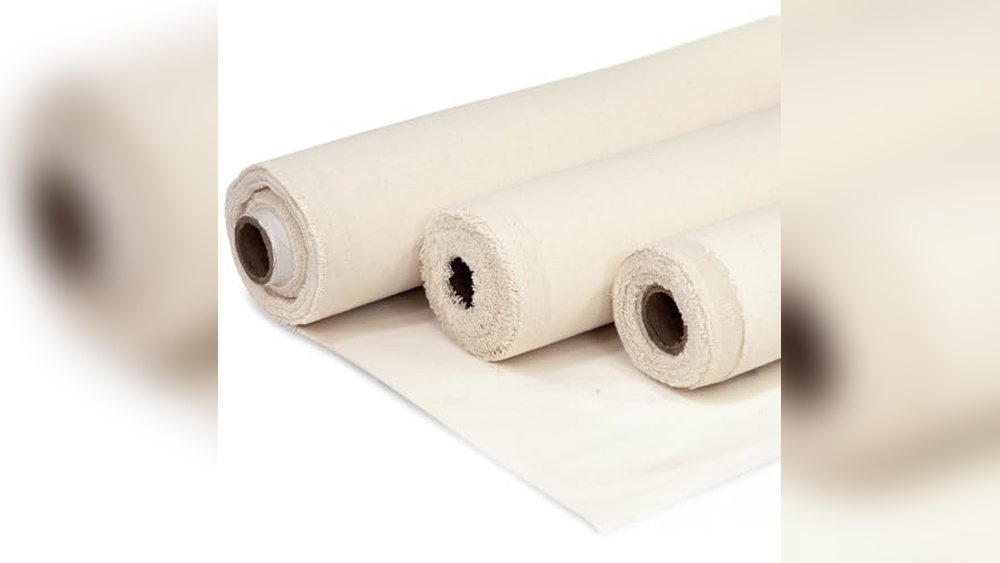
This is the one listing in the group written entirely for painters. It is a 63-inch wide, 6-foot long (two yard) unstretched roll of 100% cotton duck at 10 ounces, described as having a durable woven texture and sold explicitly as a canvas to prime yourself or leave raw. The listing spells out that, after priming, it accepts acrylic, oil, watercolor, gouache, tempera, ink, pouring and airbrush media, and that it suits stretching, stapling, tacking or wrapping.
Two yards at 63 inches is enough for roughly four 24 x 30 canvases with stretching margins, or one very large piece. The 10-ounce weight is the sensible default: it takes gesso without excessive sagging, holds tension on a stretcher and is heavy enough that staples do not tear through. For most people reading this page, it is the right first purchase.
Best suited for: Painters stretching their own canvases for the first time, students priming several mid-sized supports at once, and anyone who wants a product described for art use rather than general fabric.
Key features:
- 10-ounce 100% cotton duck, unprimed and unstretched
- 63 inches wide by 6 feet (2 yards) long
- Listed as suitable for gesso, acrylic primer or raw use
- Compatible after priming with oil, acrylic, watercolor, gouache, tempera, ink and pouring media
- Listed weight 2.03 pounds
Pros:
- Written and specified as an artist canvas
- Standard 10 oz weight suits most stretcher sizes
- Enough yardage for several mid-sized canvases
Cons and limitations:
- Two yards runs out fast if you paint large
- Will need at least two coats of gesso like any raw duck
- 63 inches caps seam-free width just over five feet
Buying consideration: If you plan to stretch more than three or four canvases a year, buying this roll and a quart of acrylic gesso costs less than the same area of pre-primed canvas. If you only need one canvas, a pre-stretched raw option may be simpler.
2. PHOENIX Unprimed Canvas Fabric by the Yard, 72 Inch x 1 Yard — Best for Budget 10-Ounce Duck by the Yard

PHOENIX is an established canvas brand, and this listing is their raw fabric: 10-ounce cotton duck, 72 inches wide, sold in 1, 2, 3 and 6 yard lengths. The description names gesso and specialty primers directly and calls the fabric a raw foundation for custom painting surfaces, so there is no ambiguity about intent, even though the same listing also pitches it for tote bags and drop cloths.
The 72-inch width is the practical difference from the U.S. Art Supply roll. An extra nine inches lets you stretch a 60-inch-wide canvas with comfortable margins, which the 63-inch roll cannot. At one yard you get a sample; at three or six yards it becomes a serious studio supply.
Best suited for: Painters working wider than five feet, students who want to try 10 oz duck before committing to a long roll, and anyone who wants the option to scale up to six yards from the same product.
Key features:
- 10-ounce cotton duck, unprimed
- 72 inches wide; 1, 2, 3 and 6 yard options
- Listed as designed for gesso or specialty primers
- Tightly woven, described as robust in texture
- Also marketed for drop cloths, bags and backdrops
Pros:
- Widest cut in this group
- Multiple lengths from one listing
- From a recognized art canvas brand
Cons and limitations:
- One yard is only enough for one or two mid-sized canvases
- Marketing mixes art and utility uses
- No stated weave count
Buying consideration: Buy one yard to test how it takes your gesso, then order the 3- or 6-yard length if you like the surface. For a first stretch you will not notice much difference between this and the U.S. Art Supply roll apart from width.
3. Barcelonetta Cotton Duck Canvas Fabric, Natural 10 oz, 62″ Wide — Best for Choosing Your Exact Weight

Barcelonetta sells cotton duck as fabric, not as art canvas, and that is actually useful: the listing offers 4, 7, 10 and 12 ounce weights in a 62-inch width, so you can pick the weight the project calls for instead of taking whatever the art brand stocks. The 10-ounce natural option shown here is 100% cotton with a tightly interlocked weave the listing describes as resisting wear.
One detail matters for painters: each quantity ordered arrives as a separate one-yard piece. Order five and you receive five one-yard cuts, not a continuous five-yard roll. That is fine for a run of 24 x 30 canvases and a problem for anything longer than a yard.
Best suited for: Painters who want a lighter 7 oz duck for small studies or a stiff 12 oz for very large stretched work, and anyone who wants several separate yard-length pieces rather than a roll.
Key features:
- 100% cotton duck in 4, 7, 10 and 12 oz weights
- 62 inches wide, sold by the yard
- Each ordered quantity ships as a separate one-yard piece
- Natural, undyed finish
- Marketed for arts, crafts, backings and covers
Pros:
- Four weights from one seller
- Natural finish takes sizing and gesso normally
- Separate cuts suit batch-stretching uniform sizes
Cons and limitations:
- No continuous roll beyond one yard
- Not described as artist canvas; weave count not stated
- 62 inches is the narrowest in this group
Buying consideration: Choose the 7 oz for small panels and sketches, 10 oz for standard stretched canvases, and 12 oz only if you are stretching very large and want minimum give. Order exactly as many yards as canvases you plan to cut.
4. Earth Ethical 7 oz Cotton Canvas Fabric Roll, 60″ x 3 Yards — Best for Lighter-Weight Roll for Medium Work and Murals

Earth Ethical’s roll is 7-ounce, 100% cotton duck, unbleached and undyed, 60 inches wide and three yards long. The listing is split between fine-art language (acrylics, oils, watercolors, murals) and drop-cloth language, which reflects how this weight is used: it is the classic painter’s drop cloth and also a perfectly good lighter artist canvas.
Seven ounces is what many commercial pre-primed student canvases are built on. It is easier to stretch tight by hand than 10 oz, dries faster after sizing, and keeps weight down on a large mural panel. The trade-off is that it shows every bump of the stretcher bar if you skimp on gesso and is easier to dent from behind.
Best suited for: Muralists and painters producing long banners, students stretching many small to medium canvases, and anyone who prefers a lighter, more flexible support.
Key features:
- 7-ounce 100% natural cotton duck
- 60 inches wide by 3 yards long, unbleached
- Listed for acrylic, oil, watercolor and mixed media
- Also sold as a painting drop cloth and for sewing projects
- Continuous three-yard length
Pros:
- Three continuous yards for long or multiple pieces
- Lighter weight stretches easily by hand
- Unbleached surface takes size and gesso evenly
Cons and limitations:
- 7 oz needs careful priming to avoid stretcher-bar ghosting
- Easier to dent or puncture than 10 oz
- 60 inches limits seam-free width
Buying consideration: A good buy if you mostly paint under 30 inches on a side or need yardage for a mural. For a gallery-wrap you plan to leave unframed, step up to 10 oz.
5. GravitationOnline 100% Natural Cotton 7 oz Canvas Fabric, 63″ x 3 Yards — Best for Plain 7-Ounce Yardage

This is the most minimal listing in the group: 100% cotton duck, 7 ounces, 63 inches wide, three yards long, natural beige. There is no claim about gesso or painting beyond “arts and craft applications,” and the care note suggests hand-washing with mild soap.
That plainness is not a strike against it. Seven-ounce natural duck is seven-ounce natural duck, and the extra three inches of width over the Earth Ethical roll can be the difference between one 60-inch canvas and a seam. Treat it as a commodity: size it, gesso it twice, and it will behave like any other light duck.
Best suited for: Painters who know what 7 oz duck is and simply want three yards of it at 63 inches, and students stretching a batch of practice canvases.
Key features:
- 100% cotton duck, 7 oz
- 63 inches wide by 3 yards long
- Natural beige, undyed
- Sold by the yard as fabric
- Hand-wash care instruction listed
Pros:
- Slightly wider than the Earth Ethical 7 oz roll
- Three continuous yards
- Straightforward specification with no gimmicks
Cons and limitations:
- Listing says nothing about priming or painting
- Same 7 oz limitations as any light duck
- Beige tone will show through thin or single gesso coats
Buying consideration: Pick this over the Earth Ethical roll only if you need the 63-inch width; otherwise they serve the same purpose and the deciding factor is current availability.
6. SUNBELT Unprimed Gallery Wrapped Stretched Art Canvas, 1.5″ Deep, 16×20 — Best for Pre-Stretched Raw Canvas for Staining

Sometimes the point of unprimed canvas is not saving money but the surface itself. Stain painting, acrylic washes that soak into fiber, raw-canvas colour-field work and absorbent-ground techniques all need unsized cotton stretched taut and ready. SUNBELT’s 16 x 20 gallery wrap is exactly that: 7-ounce 100% cotton, woven and unprimed, on a 1.5-inch deep profile, described as archival quality.
Because it arrives stretched, you skip the stretcher bars, canvas pliers and staple gun entirely. The deep 1.5-inch profile means the finished piece can hang unframed, which suits the raw-edge aesthetic most people want from a stained canvas. The listing notes the natural colour may vary slightly, which is normal for undyed cotton.
Best suited for: Painters working in stain or soak techniques, artists who want to prime with a specific absorbent ground or rabbit-skin glue, and anyone who wants a raw canvas without buying stretching tools.
Key features:
- 100% cotton, 7 oz weight, unprimed
- 16 x 20 inches on a 1.5-inch deep gallery profile
- Woven, archival quality claimed by the listing
- Listed paint types: acrylic and oil
- Natural color may vary slightly between pieces
Pros:
- No stretching required
- Deep profile displays well unframed
- Ready for sizing, gesso or direct staining
Cons and limitations:
- Only 16 x 20 in this listing
- Highest price tier in the group for a single canvas
- 7 oz is lighter than many painters prefer for oils
Buying consideration: Buy this when you want one raw canvas now. For three or more, a roll and bars become cheaper even after you buy the tools.
Buying Guide: How to Choose Unprimed Canvas
Weight (ounces per square yard)
Canvas weight is the fabric weight before priming. Seven ounces is light and flexible, stretches easily by hand and suits small to medium work. Ten ounces is the common standard for stretched paintings: stable, forgiving of staple tension and stiff enough to resist stretcher-bar ghosting. Twelve ounces is heavy, best for very large canvases where sag is a concern, and tiring to stretch without pliers.
Width
Your maximum seam-free canvas dimension is the roll width minus about six inches for wrapping and stapling. A 60-inch roll gives you roughly 54 inches; a 72-inch roll gives you around 66. If you ever plan to paint five feet wide, buy the wider roll now rather than seaming later.
Weave and thread count
Most Amazon listings do not state threads per inch, so judge by weight and description. Phrases like “tightly woven” and “duck” indicate the plain, dense weave painters want. Avoid anything described as loose-weave, open-weave or utility burlap. A tighter weave takes fewer coats of gesso to fill.
Fiber: cotton versus linen
Everything on this page is cotton duck, which is the affordable, consistent choice. Linen is stronger, has a more irregular and attractive weave, and costs several times more; it is rarely sold unprimed on Amazon in painter-friendly cuts. For learning to stretch and prime, start with cotton.
Sizing and priming plan
Raw cotton must be sized or primed before oil paint touches it, or the oil will rot the fiber over time. Acrylic gesso does both jobs in one product: two to three thin coats, sanding lightly between, gives a smooth surface for oils or acrylics. For staining with acrylics, you can leave the canvas raw. For traditional oil grounds, apply a size (rabbit-skin glue or a modern PVA size) before an oil primer. Our Ampersand unprimed basswood panel review covers how an unprimed rigid panel compares when you want full control over the ground on a wood surface instead of fabric.
Cut and continuity
Check whether multiple yards arrive as one roll or as separate yard-long pieces. Separate cuts are fine for small canvases and useless for a long banner. The listing usually says, but not always prominently.
Shrinkage
Cotton shrinks when wetted, which is why gesso tightens a stretched canvas. Do not pre-wash canvas you intend to stretch; the shrinkage during priming is working for you. If you are sewing it into something else, that advice reverses.
Related Reading
Once your canvas is stretched and primed, a few other guides on the site become relevant. If a stretched piece tears during handling, see how to fix a ripped canvas painting. Painters cutting several same-size pieces from one roll may be planning a series; our guide to painting a multi-canvas wall art set covers composition across panels. And when it comes time to transfer a design onto that fresh white gesso, how to grid a canvas for painting walks through the method.
Common Mistakes to Avoid
- Painting oils directly on raw cotton with no size or gesso; the oil degrades the fiber.
- Buying 60-inch fabric for a 58-inch painting and forgetting the wrap margin.
- Ordering five “yards” of a product that ships as five separate pieces when you needed one continuous length.
- Choosing 7 oz for a large unframed gallery wrap and then fighting stretcher-bar lines through thin gesso.
- Applying one thick coat of gesso instead of two or three thin ones; thick coats crack and leave brush ridges.
- Pre-washing canvas destined for stretching, which wastes the shrinkage that would have tightened it.
- Assuming every “cotton duck” listing has the same weave; check the stated weight and look for “tightly woven.”
FAQs
FAQs
What is the difference between primed and unprimed canvas?
Primed canvas has been coated with gesso or an oil ground so paint sits on the surface. Unprimed canvas is the raw cotton duck with no coating. You prime it yourself, which gives control over texture and absorbency and usually costs less per square foot.
Can you paint directly on unprimed canvas?
With acrylics, yes; the paint soaks into the fiber, which is the basis of stain painting. With oils, no. Oil paint on raw cotton eventually rots the fabric, so the canvas must be sized or gessoed first.
What weight of unprimed canvas is best for painting?
Ten ounces is the usual choice for stretched paintings because it holds tension well and resists sag. Seven ounces works for smaller work, murals and anyone who stretches by hand. Twelve ounces is for very large canvases.
How many coats of gesso does raw canvas need?
Two thin coats is the minimum for acrylics; three is typical for oils or when you want a smooth surface. Let each coat dry fully and sand lightly between coats if you want less tooth.
Is cotton duck the same as artist canvas?
Artist canvas is almost always cotton duck or linen. The fabric sold for upholstery and drop cloths is often the same cotton duck, but check the weight and weave; painters want a dense, plain weave at 7 to 12 ounces.
Does unprimed canvas shrink?
Yes, cotton tightens when it is wetted by size or gesso. That is why canvas is stretched slightly loose and allowed to tighten during priming. Do not pre-wash canvas you intend to stretch.
Final Recommendation
For a first roll, buy the U.S. Art Supply 10-ounce canvas: it is specified for painting, the weight is right for stretched work, and two yards is a manageable amount to practice stretching and priming on. Painters who already know they want wider or longer yardage should take the PHOENIX 72-inch duck in the 3- or 6-yard length. If you need a lighter 7 oz fabric for a mural or a run of small canvases, the Earth Ethical and GravitationOnline rolls are interchangeable; pick on width and availability. Barcelonetta is the answer when you want a non-standard weight such as 12 oz. And if the whole point is a raw surface to stain right now, skip the tools and buy the SUNBELT pre-stretched 16 x 20.