To paint on fabric with acrylic paint, mix the paint with a fabric medium. This ensures flexibility and durability.
Painting on fabric with acrylic paint can transform plain textiles into vibrant, personalized pieces. Acrylic paint, known for its versatility and vibrant colors, can adhere well to fabric when mixed with a fabric medium. This combination prevents the paint from cracking or peeling, ensuring the design remains flexible and durable.
Before starting, pre-wash the fabric to remove any sizing or chemicals that might interfere with the paint. Use a brush or sponge to apply the paint, and allow it to dry thoroughly. Heat-setting the design with an iron will further ensure its longevity. Experiment with different techniques to create unique and lasting designs on various fabrics.

Credit: canarystreetcrafts.com
Unlocking The Potential Of Acrylics On Fabric
Acrylic paint is a vibrant, versatile medium. It can transform ordinary fabric into stunning works of art. Whether you are a seasoned artist or a beginner, painting on fabric with acrylics can be a fun and rewarding experience. This section will explore how to unlock the potential of acrylics on fabric.
The Versatility Of Acrylic Paint
Acrylic paint is water-based, making it easy to use and clean. It dries quickly, allowing you to layer colors without waiting long. You can mix it with various mediums to achieve different effects. Whether you want a matte or glossy finish, acrylic paint can deliver.
Acrylic paint adheres well to many surfaces, including fabric. This makes it an excellent choice for fabric painting projects. It retains its color and vibrancy even after washing. To ensure the best results, use fabric medium with acrylic paint. This helps the paint to bond with the fabric fibers.
Suitable Fabrics For Acrylic Painting
Not all fabrics are ideal for acrylic painting. Some fabrics work better than others. Here is a table showing suitable fabrics for acrylic painting:
| Fabric Type | Characteristics |
|---|---|
| Cotton | Natural, absorbent, and holds paint well |
| Linen | Strong, durable, and provides a smooth surface |
| Canvas | Sturdy, perfect for larger projects |
| Silk | Delicate, requires gentle handling but takes paint beautifully |
Before painting, always wash and dry your fabric. This removes any chemicals or sizing that could affect paint adhesion. Prepping your fabric ensures your artwork lasts longer and looks better.
Prepping Your Canvas: Fabric Preparation
Preparing your fabric is the first step to achieve vibrant and long-lasting results. Proper preparation ensures the paint adheres well and enhances the durability of your artwork.
Cleaning The Fabric
Start by cleaning the fabric. Dirt and oils can interfere with paint adhesion. Wash the fabric with mild detergent. Avoid using fabric softener as it leaves a residue.
After washing, let the fabric dry completely. Iron the fabric to remove wrinkles. Smooth fabric is easier to paint on and ensures even application.
Applying A Base Coat
A base coat helps the paint adhere better to the fabric. Use a fabric medium mixed with white acrylic paint. The fabric medium ensures the paint remains flexible and prevents cracking.
Apply the base coat with a wide brush. Make sure to cover the entire surface evenly. Allow it to dry completely before starting your artwork.
For dark fabrics, you might need multiple base coats. This ensures the colors remain vibrant and true.
| Step | Action | Tip |
|---|---|---|
| 1 | Wash the fabric | Avoid fabric softeners |
| 2 | Dry and iron | Ensure fabric is smooth |
| 3 | Apply base coat | Use fabric medium |
| 4 | Let it dry | Multiple coats for dark fabric |
Following these steps ensures your fabric is ready for painting. Well-prepared fabric will enhance your art’s quality and longevity.
Choosing The Right Acrylics For Fabric
Painting on fabric with acrylic paint can be fun and rewarding. The right acrylic paint makes a big difference in your final product. It ensures vibrant colors and long-lasting designs.
Types Of Acrylic Paint
Not all acrylic paints are the same. Some are better for fabric painting. Here are the main types:
- Student Grade Acrylics: These are affordable and great for beginners. They have fewer pigments but work well for practice.
- Artist Grade Acrylics: These are high-quality with more pigments. They provide better coverage and vibrant colors.
- Fabric-Specific Acrylics: These are made for fabric use. They are flexible and durable after drying.
Textile Medium: Enhancing Fabric Compatibility
A textile medium makes acrylic paint perfect for fabric. It improves the paint’s flexibility and adhesion. Here’s a quick guide:
| Benefit | Description |
|---|---|
| Flexibility | Prevents the paint from cracking when fabric is stretched. |
| Adhesion | Ensures the paint sticks well to the fabric fibers. |
| Softness | Keeps the fabric soft and comfortable to wear. |
To use a textile medium, follow these steps:
- Mix the acrylic paint with textile medium. Usually, the ratio is 2:1.
- Stir well to combine the two.
- Apply the mixture to your fabric using a brush or sponge.
- Allow it to dry completely.
- Heat-set the paint with an iron to make it permanent.
Using the right acrylics and textile medium ensures your fabric designs are vibrant and durable. Happy painting!
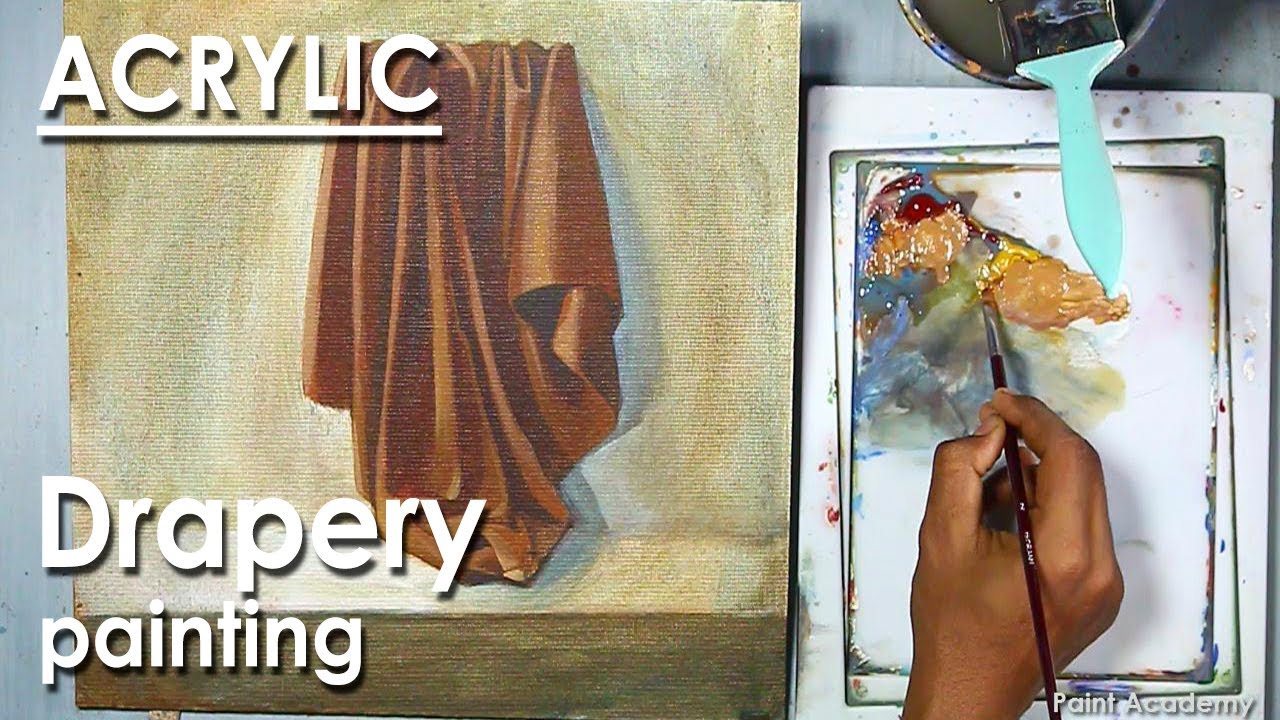
Credit: m.youtube.com
Brushes And Tools For Fabric Painting
Painting on fabric with acrylic paint requires the right brushes and tools. They help you achieve different textures and effects. Using the best tools ensures your artwork stands out.
Selecting Brushes For Texture
Choosing the right brushes is important for creating texture. Different brushes create different effects on fabric.
- Flat Brushes: Great for broad strokes and filling large areas.
- Round Brushes: Ideal for detailed work and smooth lines.
- Fan Brushes: Perfect for blending and feathering effects.
Using these brushes can make your fabric art look professional. Keep a variety to achieve multiple textures.
Innovative Tools For Unique Effects
Besides brushes, there are other tools to create unique effects on fabric.
| Tool | Effect |
|---|---|
| Sponges | Creates soft, blended textures. |
| Stencils | Helps in making precise shapes and patterns. |
| Palette Knives | Used for thick, textured strokes. |
These tools add variety to your fabric paintings. Experiment with them to discover new styles.
Mastering Techniques For Fabric Painting
Fabric painting with acrylics opens up many creative possibilities. Mastering various techniques will help you achieve beautiful results. From stippling to blending, each method offers unique effects. Here, we explore key techniques for fabric painting.
Stippling And Stenciling
Stippling involves creating patterns with small dots. Use a stiff brush for this technique. Tap the brush gently on the fabric to form dots. Vary the dot size for different effects.
Stenciling is another fun technique. Place a stencil on the fabric. Use a sponge or brush to apply paint. Hold the stencil firmly to avoid smudges. You can create intricate designs easily with stencils.
Blending And Layering Colors
Blending colors can add depth to your fabric art. Start with a base color. While it’s still wet, add another color. Use a brush to blend the edges.
Layering colors builds dimension. Apply a base color and let it dry. Add another layer on top. Each layer should dry before adding the next. This technique creates a rich, textured look.
Use a table for quick tips:
| Technique | Tool | Tip |
|---|---|---|
| Stippling | Stiff Brush | Vary dot sizes |
| Stenciling | Stencil, Sponge | Hold stencil firmly |
| Blending | Brush | Blend wet edges |
| Layering | Brush | Dry each layer |
These techniques can enhance your fabric painting projects. Practice and experiment to find your style.
Credit: m.youtube.com
Setting The Paint: Ensuring Durability
To make sure your fabric painting lasts, you need to set the paint. This step makes the paint stick to the fabric. Without setting, the paint might wash off. Setting the paint helps keep your design bright and beautiful. Below are some ways to set the paint for long-lasting results.
Heat Setting Your Design
Heat setting is a popular method to make your paint stay. This step uses heat to bond the paint to the fabric fibers.
Here’s how to do it:
- Place a piece of clean cloth over your painted design.
- Set your iron to a medium heat setting.
- Iron over the cloth for about 5 minutes.
- Keep moving the iron to avoid burning.
You can also use a heat press machine. Set the temperature to 300°F and press for 30 seconds. Always check the paint’s instructions for the best heat setting.
Caring For Painted Fabrics
After setting the paint, you need to care for your painted fabric. This helps your design look good for a long time.
| Care Tip | Details |
|---|---|
| Washing | Hand wash in cold water with mild detergent. Avoid scrubbing. |
| Drying | Air dry your fabric. Avoid using a dryer to prevent damage. |
| Ironing | Iron on the reverse side with a cloth over the design. |
By following these tips, your painted fabric will stay vibrant and last longer.
Creative Projects And Ideas
Painting on fabric with acrylic paint opens up endless creative possibilities. You can bring life to old clothes, accessories, and even home decor items. Let’s explore some inspiring projects and ideas.
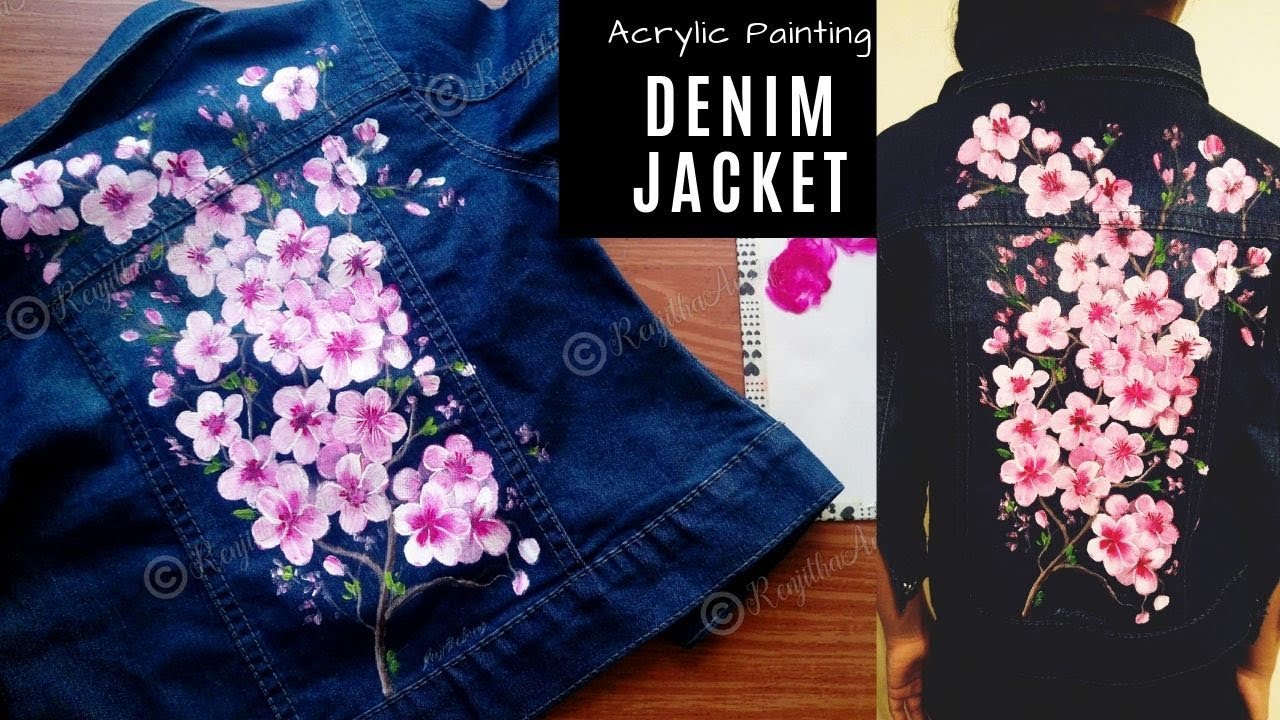
Personalizing Clothing And Accessories
Personalizing clothing can be a fun and rewarding activity. Here are some ideas to get you started:
- T-Shirts: Add unique designs, quotes, or patterns.
- Jeans: Paint flowers, stars, or abstract art on the legs.
- Shoes: Customize sneakers with bold colors and designs.
- Bags: Decorate tote bags with personalized artwork.
| Project | Idea |
|---|---|
| Jackets | Paint logos, names, or graffiti-style art. |
| Hats | Customize with initials or small patterns. |
Home Decor Applications
Home decor can also benefit from fabric painting. Here are some creative ideas:
- Pillows: Paint colorful patterns or quotes.
- Table Runners: Add elegant designs or festive themes.
- Wall Hangings: Create abstract art or nature scenes.
- Curtains: Paint borders or full designs for a unique look.
These projects not only add a personal touch but also make your home feel special. Enjoy the process of creating something unique and beautiful.
Troubleshooting Common Fabric Painting Issues
Painting on fabric with acrylic paint can be fun and creative. But sometimes, things can go wrong. Here are some common issues and how to fix them.
Preventing Cracking And Peeling
Cracking and peeling can ruin your fabric painting. Follow these tips to prevent it:
- Use Fabric Medium: Mix fabric medium with acrylic paint. It keeps the paint flexible.
- Heat Set Your Design: After painting, iron the fabric. This helps the paint bond.
- Wash Fabric Before Painting: Clean fabric holds paint better. This removes any oils or residues.
- Apply Thin Layers: Thick paint layers crack easily. Apply thin, even layers instead.
Fixing Mistakes And Spills
Made a mistake or spilled paint? Don’t worry. Here’s how to fix it:
- Act Quickly: Blot the spill with a damp cloth. Do this before it dries.
- Use Rubbing Alcohol: Dab a cotton ball with rubbing alcohol. Gently rub the mistake.
- Cover with a New Design: If the mistake is large, paint over it. Create a new design to hide it.
- Use a Fabric Eraser: Special fabric erasers can remove small mistakes. Always test first on a small area.
These tips can help you fix common fabric painting issues. Enjoy your painting projects with more confidence!
Frequently Asked Questions
Can I Use Acrylic Paint To Paint On Fabric?
Yes, you can use acrylic paint on fabric. Mix with fabric medium for better results. Heat-set to make it permanent.
How Do You Get Acrylic Paint To Stay On Fabric?
To ensure acrylic paint stays on fabric, mix it with a fabric medium. Pre-wash the fabric, apply the paint, and let it dry completely. Heat-set the paint using an iron for lasting results.
How To Paint On Fabric Permanently?
To paint on fabric permanently, choose fabric paint, wash fabric, let dry, heat set with iron, and avoid washing immediately.
How To Turn Acrylic Paint Into Fabric Paint With Fabric Softener?
Mix acrylic paint with fabric softener in a 2:1 ratio. Stir until smooth. Apply to fabric and let dry.
Can You Use Acrylic Paint On Fabric?
Yes, acrylic paint works well on fabric. Use fabric medium for better results.
How To Seal Acrylic Paint On Fabric?
Heat-setting with an iron seals acrylic paint on fabric. Follow fabric type and paint instructions.
What Fabric Is Best For Acrylic Paint?
Cotton and polyester-cotton blends are ideal for acrylic painting on fabric.
Is Fabric Medium Necessary For Acrylic Paint?
Fabric medium improves paint flexibility and durability. It’s recommended for fabric painting.
Conclusion
Transforming fabric with acrylic paint is a fun and creative process. It offers endless design possibilities. With the right techniques, your fabric projects will stand out. Remember to prepare your fabric and seal your work. Enjoy the vibrant results and keep experimenting.
Happy painting!