Painting is a wonderful way to express your creativity. There are many techniques you can use to make your artwork stand out. In this blog, we will talk about some of the best painting techniques.
1. Wet-on-Wet Technique
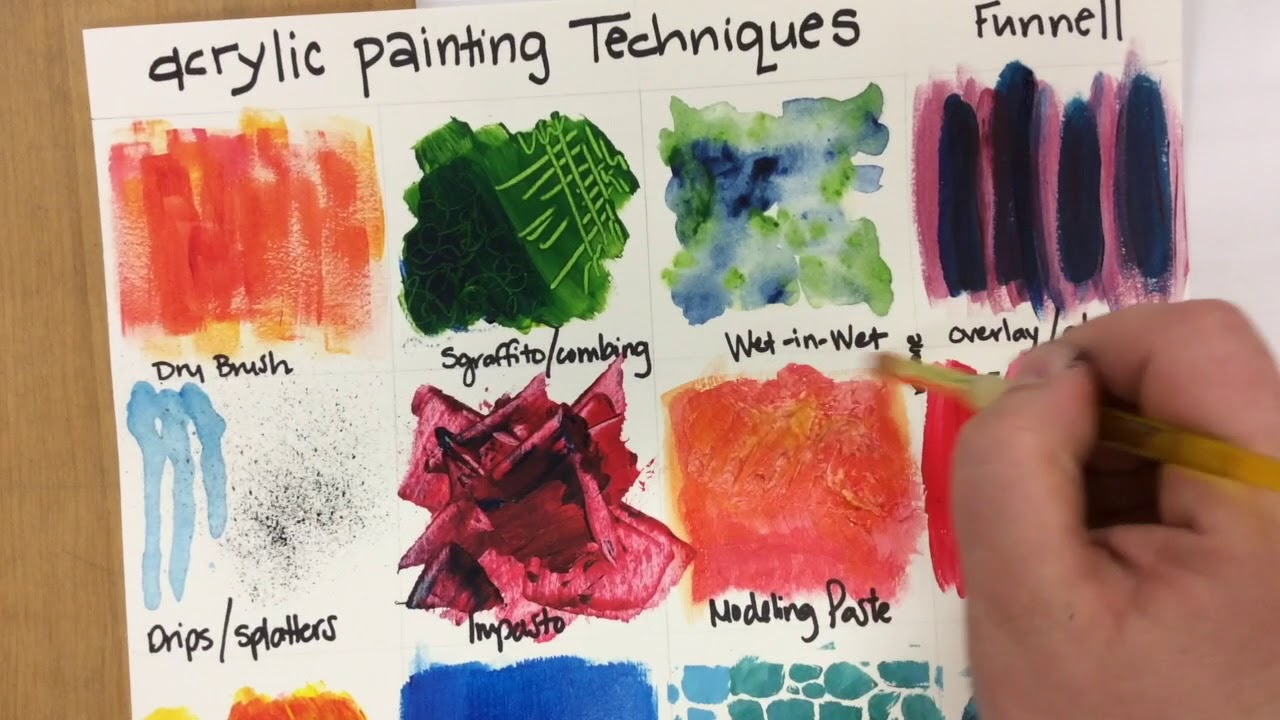
The wet-on-wet technique is very popular. This method involves applying wet paint on a wet surface. The colors blend easily and create soft edges.
Here is how you can do it:
- Start with a wet canvas.
- Use a brush to apply wet paint.
- Blend the colors while they are still wet.
This technique is great for painting landscapes and skies.
2. Dry Brush Technique
The dry brush technique gives a rough and textured look. It is the opposite of the wet-on-wet method. Here, you use a dry brush with very little paint.
Follow these steps:
- Dip the brush in paint and wipe off the excess.
- Use quick, light strokes.
- Repeat until you get the desired texture.
This technique is perfect for painting tree bark, rocks, and grass.
3. Glazing Technique
Glazing adds depth and richness to your paintings. This method involves applying thin layers of transparent paint over dry layers.
Here is how to glaze:
- Start with a dry base layer.
- Mix paint with a glazing medium.
- Apply thin layers and let each layer dry.
Glazing is ideal for portraits and still life paintings.
4. Scumbling Technique
Scumbling is a technique where you apply a thin, opaque layer of paint. This layer allows the underpainting to show through.
Follow these steps:
- Use a dry brush with a small amount of paint.
- Apply the paint in a circular motion.
- Build up layers to create a textured effect.
This technique works well for creating mist, fog, and clouds.
5. Sgraffito Technique
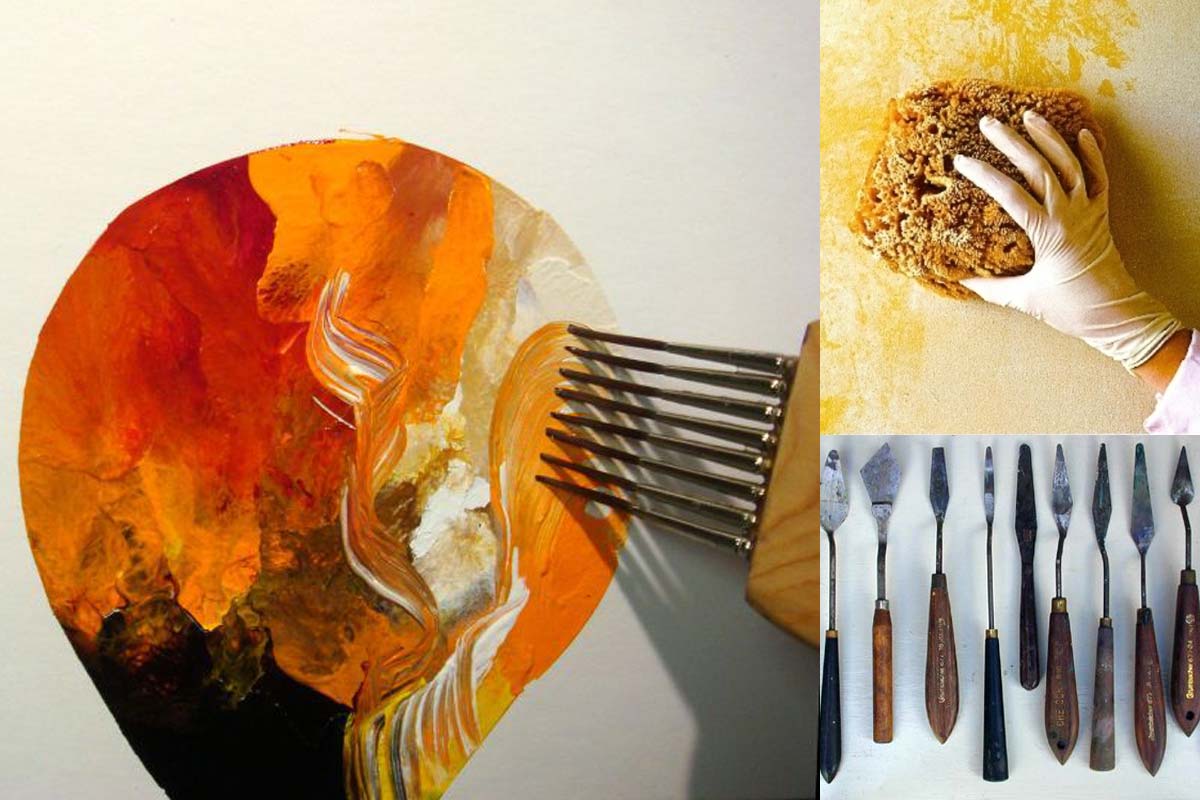
Sgraffito is an exciting technique where you scratch the surface of the paint. This reveals the layer below.
Here is how you can do it:
- Apply a base layer of paint and let it dry.
- Apply a top layer of paint.
- Use a tool to scratch away parts of the top layer.
Sgraffito is great for adding texture and details to your artwork.
Credit: www.widewalls.ch
6. Impasto Technique
Impasto is a technique where you apply thick layers of paint. This creates a three-dimensional effect.
Follow these steps:
- Use a palette knife or a stiff brush.
- Apply thick layers of paint.
- Shape and sculpt the paint as desired.
This technique is excellent for adding texture and movement to your paintings.
7. Underpainting Technique
Underpainting is a technique where you create a monochromatic base layer. This layer helps to build the structure of your painting.
Here is how to do it:
- Use a single color to paint the basic shapes.
- Let the underpainting dry.
- Apply additional layers of color on top.
This technique is useful for planning the composition and values of your painting.
8. Splattering Technique
Splattering is a fun technique where you flick paint onto the canvas. This creates random and dynamic patterns.
Follow these steps:
- Dip a brush into the paint.
- Hold the brush above the canvas.
- Flick the brush to splatter the paint.
This technique is great for adding energy and movement to your artwork.
9. Dabbing Technique
Dabbing is a technique where you use a sponge or a brush to dab paint onto the canvas. This creates a textured and layered effect.
Here is how to do it:
- Dip a sponge or brush into the paint.
- Dab the paint onto the canvas.
- Build up layers to create depth.
This technique is perfect for painting foliage and textured surfaces.
Credit: m.youtube.com
10. Stippling Technique
Stippling is a technique where you use small dots to create an image. This method requires patience but can produce stunning results.
Follow these steps:
- Use a fine brush or pen.
- Apply small dots of paint to the canvas.
- Build up the dots to create shading and texture.
This technique is ideal for creating detailed and intricate artwork.
Frequently Asked Questions
What Are The Basic Painting Techniques?
Basic painting techniques include blending, glazing, dry brushing, and stippling.
How Do You Blend Colors?
Blend colors by applying and mixing wet paint directly on the canvas.
What Is Dry Brushing In Painting?
Dry brushing involves using minimal paint on a dry brush to create texture.
How Do You Create A Gradient Effect?
Create a gradient by gradually blending two or more colors.
Conclusion
There are many painting techniques to explore. Each technique offers a unique way to express your creativity. Try different methods and find the ones that work best for you. Happy painting!