Are you struggling to get the perfect flow from your acrylic paint? Thinning acrylic paint correctly can make a huge difference in your artwork, helping you achieve smooth brushstrokes and vibrant colors without losing the paint’s strength.
But how do you know when your paint is too thick or too watery? And what’s the right way to thin it without ruining your masterpiece? Keep reading, and you’ll discover simple, practical tips that will transform your painting process and bring your creative vision to life.
Choosing The Right Acrylic Paint
Choosing the right acrylic paint is key to thinning it correctly. Different paints behave differently when mixed with water or mediums. Knowing the type of paint helps control the flow and texture. This ensures smooth application and vibrant colors.
Heavy Body Vs. Fluid Paints
Heavy body paints are thick and dense. They hold brush strokes and texture well. Thinning them requires more water or medium to keep color strength. Fluid paints are thin and flow easily. They need less thinning and spread smoothly. Choose paint type based on your project style.
Selecting Quality Brands
Quality brands offer consistent pigment and texture. They mix well with thinners without losing color. Cheap paints may become dull or separate when thinned. Trusted brands ensure better results and less frustration. Always pick paints from reliable manufacturers for best performance.

Credit: www.paintingtogogh.com
Tools For Thinning Acrylic Paint
Thinning acrylic paint helps you control its flow and texture. Using the right tools makes thinning easier and keeps the paint’s color and quality. Different tools work best for different effects. Knowing which tool to use helps you paint smoothly and avoid problems like cracking or fading.
Water And Its Effects
Water is the most common tool for thinning acrylic paint. It makes the paint thinner and easier to spread. Use small amounts to keep the paint strong. Too much water can weaken the paint and cause it to lose color. Water also changes the paint’s drying time, making it dry faster. Be careful not to add too much water to avoid a runny or patchy finish.
Using Acrylic Mediums
Acrylic mediums are made to thin paint without losing color or strength. They keep the paint smooth and glossy or matte, depending on the medium. Mediums slow down drying time, giving more time to blend colors. They also improve adhesion and prevent cracking. Use mediums for a better finish and longer-lasting artwork.
Other Thinning Agents
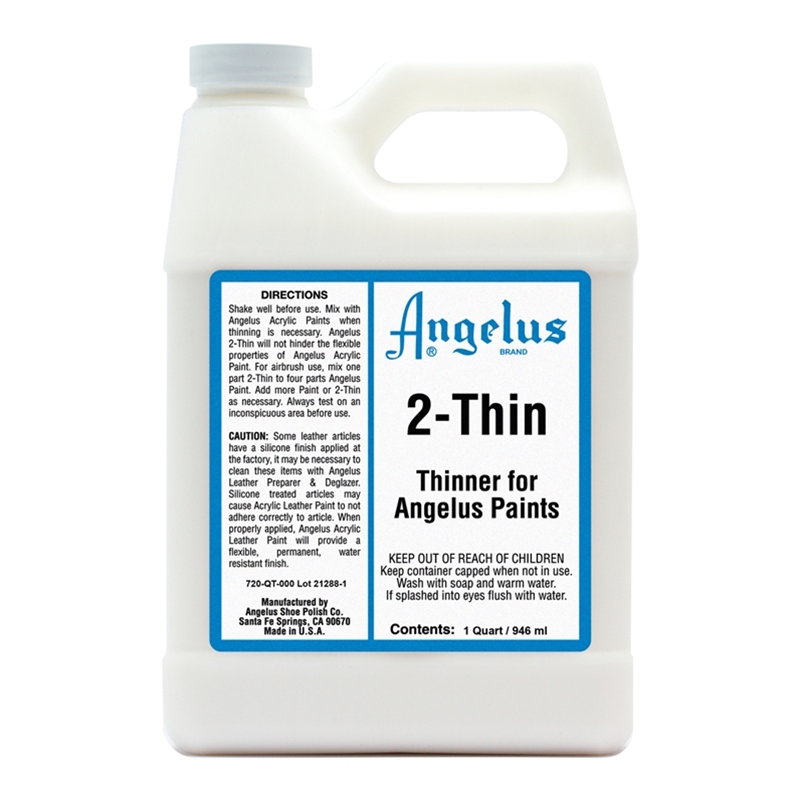
Other thinning agents include flow improvers and retarders. Flow improvers help paint move easily and reduce brush marks. Retarders slow drying time for detailed work. Some artists use airbrush thinners for spray painting. Always test these agents on a small area first. Each one changes the paint in different ways, so choose carefully for your project.
Techniques For Thinning Paint
Thinning acrylic paint is important for smooth application and better control. Using the right techniques helps keep the paint’s color and texture balanced. Knowing how to thin paint correctly improves your painting experience and results.
Achieving Desired Consistency
Start by adding small amounts of water or medium to the paint. Mix gently to avoid bubbles. The paint should flow easily but not drip. Test the consistency on a scrap surface. Adjust by adding more water or paint if needed. Aim for a smooth, creamy texture that spreads well.
Mixing Ratios To Remember
A common ratio is one part water to two parts paint. For thicker paint, use less water. For thinner paint, add a little more water in small steps. Use acrylic mediums for thinning without losing color strength. Always mix thoroughly to keep the paint even.
Avoiding Over-thinning
Too much water can weaken paint adhesion and color. Over-thinned paint may run and take longer to dry. Avoid adding water directly to your paint tube. Thin paint gradually and test before applying. Keep paint thick enough to cover surfaces well and maintain vibrancy.
Application Tips For Thinned Paint
Applying thinned acrylic paint needs care and the right technique. Thinned paint behaves differently than thick paint. It flows easily but can drip or lose color strength if not handled properly. Use these tips to get smooth, even layers and vibrant colors in your artwork.
Brush And Palette Knife Use
Use soft brushes for thin paint to avoid streaks. Flat or round brushes work well to spread paint evenly. Avoid stiff brushes that can drag or scratch the surface. A palette knife helps mix paint and thinner smoothly. It also applies thin paint in textured layers. Use gentle strokes to keep the paint consistent.
Layering And Blending
Thin paint dries fast, so layer quickly for smooth blends. Apply one thin layer at a time. Let each layer dry before adding the next. This builds depth and color richness. Blend colors on the canvas before the paint dries. Use light, circular motions for soft edges. Avoid overworking to keep the paint smooth.
Drying Time Considerations
Thin paint dries faster than thick paint. Plan your work to avoid gaps or uneven spots. Work in small sections to keep paint wet. Use a spray bottle to lightly mist the paint if it dries too fast. Drying time affects how colors mix and layer. Patience helps maintain control and achieve better results.
Common Mistakes To Avoid
Thinning acrylic paint can improve your work, but mistakes can spoil the results. Avoiding common errors helps keep your paint smooth and vibrant. These mistakes often cause problems like separation, dull colors, and poor adhesion. Knowing what to avoid makes your painting process easier and more successful.
Paint Separation Issues
Using too much water causes paint to separate. The pigment and binder split apart and look uneven. This makes the paint runny and hard to control. Always add a small amount of thinner or medium. Stir well to keep the paint mixed and smooth.
Loss Of Color Vibrancy
Thinning paint too much weakens the color. The paint looks pale and dull on your surface. Avoid adding large amounts of water. Use acrylic mediums to keep the color strong. Thin paint in layers to keep bright and rich hues.
Surface Adhesion Problems
Over-thinned paint may not stick well to your surface. This causes peeling or cracking after it dries. Apply paint in thin coats but keep enough binder. Use proper acrylic mediums to improve adhesion. Let each layer dry fully before adding more paint.

Credit: www.youtube.com
Advanced Thinning Methods
Advanced thinning methods help artists control acrylic paint better. These techniques improve paint flow, drying time, and texture. They allow more creative freedom and better results. Understanding these methods can take your painting to the next level.
Using Retarders For Slow Drying
Retarders slow the drying time of acrylic paint. This gives more time to blend colors on the canvas. Artists can work on details without the paint drying too fast. Add a small amount to your paint before using it. Be careful not to add too much, or the paint will stay wet for too long.
Incorporating Flow Improvers
Flow improvers make acrylic paint smoother and easier to spread. They reduce brush marks and help the paint glide. This is useful for fine details and smooth backgrounds. Mix a few drops with your paint. It does not change the color or finish of the paint.
Customizing Mediums For Effects
Mix different mediums to create unique paint textures and effects. You can combine gels, pastes, and liquids with your paint. Each medium changes how the paint looks and feels. Experiment with small amounts to find the right mix for your style. Custom mediums add depth and interest to your artwork.
Cleaning And Maintenance
Cleaning and maintenance are key to keep your acrylic paint and tools in good shape. Proper care makes your painting process smoother. It also saves you money by extending the life of your supplies.
Proper Brush Cleaning Techniques
Rinse brushes immediately after use with warm water. Use gentle soap to remove all paint residues. Avoid soaking brushes for long periods; it can damage bristles. Shape the brush tip with your fingers before drying. Store brushes with bristles up or flat to keep their form. Clean brushes well to prevent hardened paint buildup.
Storage Tips For Thinned Paint
Store thinned acrylic paint in airtight containers. Use small jars or plastic bottles with tight lids. Label containers with the paint color and dilution ratio. Keep paint away from direct sunlight and heat. Store in a cool, dry place to maintain quality. Proper storage prevents paint from drying out too fast.
Extending Paint Shelf Life
Seal paint containers tightly after each use. Stir paint before storing to mix any separated parts. Avoid contamination by using clean tools when handling paint. Keep paint away from extreme temperatures to avoid drying or clumping. Check paint regularly for any changes in texture or smell. Well-maintained paint lasts longer and performs better.
Credit: www.vibram.co.uk
Frequently Asked Questions
How Much Water Should I Use To Thin Acrylic Paint?
Use about 10-20% water relative to paint volume. Too much water breaks paint binding, causing poor adhesion and dull colors. Start with a small amount, then add gradually until desired consistency is achieved for smooth application.
Can I Use Mediums Instead Of Water To Thin Acrylics?
Yes, acrylic mediums are recommended for thinning. They maintain paint’s adhesion and vibrancy better than water. Use flow improvers or glazing mediums for thinning without losing color intensity or durability.
What Happens If Acrylic Paint Is Thinned Too Much?
Over-thinning weakens paint film and reduces coverage. It may cause paint to run or become translucent. Avoid adding excessive water or medium to keep paint strong, vibrant, and easy to control.
Should I Thin Acrylic Paint For Different Painting Techniques?
Yes, thinning varies by technique. Thin paint more for washes or glazes, less for impasto or heavy textures. Adjust thinning to suit your style and achieve desired effects effectively.
Conclusion
Thinning acrylic paint helps achieve smooth and even layers. Use the right thinner and add it slowly. Test your mix on a scrap surface first. Avoid adding too much thinner at once. This keeps the paint vibrant and easy to work with.
Practice makes perfect, so keep experimenting with amounts. Your paintings will look cleaner and more professional. Enjoy the process and watch your skills grow.