Painting an all-black canvas art may sound simple at first. You might think: just grab black paint and cover the surface, right? In truth, creating a striking black canvas is much more than that. This style—sometimes called “void painting” or “monochrome art”—can be dramatic, elegant, or deeply emotional. It’s about subtlety, texture, and technique. If you want your black canvas to catch the eye and not just look flat, there are important steps and creative tricks you need to know.
Whether you’re an art student, a hobbyist, or just curious, this guide will show you how to paint an all-black canvas art from start to finish. I’ll share expert tips, common mistakes to avoid, and ways to make your black painting unique.
Why Paint An All Black Canvas?
Many people ask, “Why paint everything black?” The answer: black art can be powerful and full of meaning. Black can symbolize mystery, strength, sadness, or peace. It can fit modern homes, galleries, or make a personal statement.
Famous artists like Kazimir Malevich and Ad Reinhardt have used black canvases to push the limits of art. Today, all-black paintings sell for thousands of dollars and are shown in top museums. But you don’t need to be a famous artist to create something impressive.
A black canvas is also a great way to practice technique, experiment with materials, or start your art journey.
Choosing Materials And Tools
The right tools make a big difference. Here’s what you’ll need for a professional-looking black canvas art:
- Canvas – Choose a pre-stretched, primed canvas. Common sizes are 16×20 or 24×36 inches, but you can pick any size.
- Acrylic or Oil Paint – Acrylic is easier for beginners and dries faster. Oil paint gives richer texture and depth but takes longer to dry.
- High-Quality Black Paint – Not all blacks are the same. Look for “Mars Black” or “Ivory Black” for deep, true color.
- Gesso – A primer that prepares the canvas for paint.
- Brushes/Rollers – Wide, flat brushes or foam rollers help cover large areas evenly.
- Palette Knife – For texture or blending.
- Varnish – Protects your painting and adds shine or matte finish.
- Rags or Paper Towels – For cleaning and smoothing paint.
- Gloves and Apron – Keep your hands and clothes clean.
Paint Type Comparison
Which paint should you choose? Here’s a quick look:
| Paint Type | Drying Time | Finish | Best For |
|---|---|---|---|
| Acrylic | 30 mins – 2 hrs | Matte or Glossy | Beginners, Fast results |
| Oil | 1 day – 2 weeks | Rich, Deep | Texture, Blending |
Preparing The Canvas
A good start leads to a great finish. Never paint directly on a bare canvas—your work will look uneven and may crack.
- Check the Canvas – Make sure it’s stretched tightly with no sagging.
- Apply Gesso – Use a wide brush or roller. One or two coats will seal the surface. Let each coat dry for 30–60 minutes.
- Sand Lightly – After the last gesso layer, use fine sandpaper for a smooth base. Wipe away dust with a dry cloth.
Gesso Application Tips
- Don’t use too much gesso at once. Thin, even layers work best.
- If you want a rough texture, skip sanding.
- You can tint your gesso with a little black paint for a darker base.
Choosing Your Black
Not all black paints are the same. There are warm blacks and cool blacks. Some are glossy, others are matte. This choice changes how your painting looks.
- Mars Black – Deep, strong, quick-drying.
- Ivory Black – Softer, smoother, slower-drying.
- Lamp Black – Very intense, slightly blue tone.
You can even mix your own black by combining dark blues, greens, and browns. This gives a unique tone that’s less “flat” than store-bought black.
Black Paint Comparison
Here’s how the most common black paints compare:
| Black Type | Color Tone | Opacity | Texture |
|---|---|---|---|
| Mars Black | Neutral, Slightly Warm | High | Thick, Opaque |
| Ivory Black | Cool, Slight Brown | Medium | Smoother, Less Opaque |
| Lamp Black | Cool, Bluish | High | Soft, Slightly Grainy |
Credit: canada.michaels.com
Painting The Canvas
Now comes the main part—covering your canvas smoothly and evenly.
- Mix Your Paint – Stir well, and add a few drops of water (for acrylic) or medium (for oil) for easier spreading.
- First Layer – Use a large brush or foam roller. Start from one edge and move across in straight lines.
- Let It Dry – Wait for at least 30 minutes (acrylic) or overnight (oil).
- Second Layer – Apply another layer for a solid, deep black. Sometimes a third layer helps.
- Check for Streaks or Missed Spots – Fill in thin areas with more paint.
Tips For A Perfect Surface
- Paint in one direction to avoid marks.
- For a glassy look, sand lightly between layers.
- If you see bubbles, pop them gently with a pin or brush.
Adding Texture And Effects
A black canvas doesn’t have to be flat. You can add subtle effects for depth and interest.
Textured Black
- Use a palette knife to spread thick paint in waves or swirls.
- Mix sand or modeling paste into your black paint for a rough surface.
- Press fabric, paper, or objects into wet paint, then remove them for patterns.
Glossy Or Matte Finish
- Gloss varnish makes black look richer and reflects light.
- Matte varnish gives a soft, smooth feel with less shine.
- Try both by masking off areas before varnishing for a “duo finish.”
Metallic Or Iridescent Accents
- Add tiny touches of metallic black or dark blue for shimmer.
- Use interference paints for a glow that changes with the light.
Creative Ways To Use An All Black Canvas
Once your black canvas is dry, you have options:
- Leave It Pure – A plain black square can make a strong statement.
- Draw with Gloss or Matte – Use glossy black paint to “draw” shapes or lines on top of a matte black surface (or vice versa).
- Scratch or Etch – Scratch designs into thick, almost-dry paint with a stick or knife.
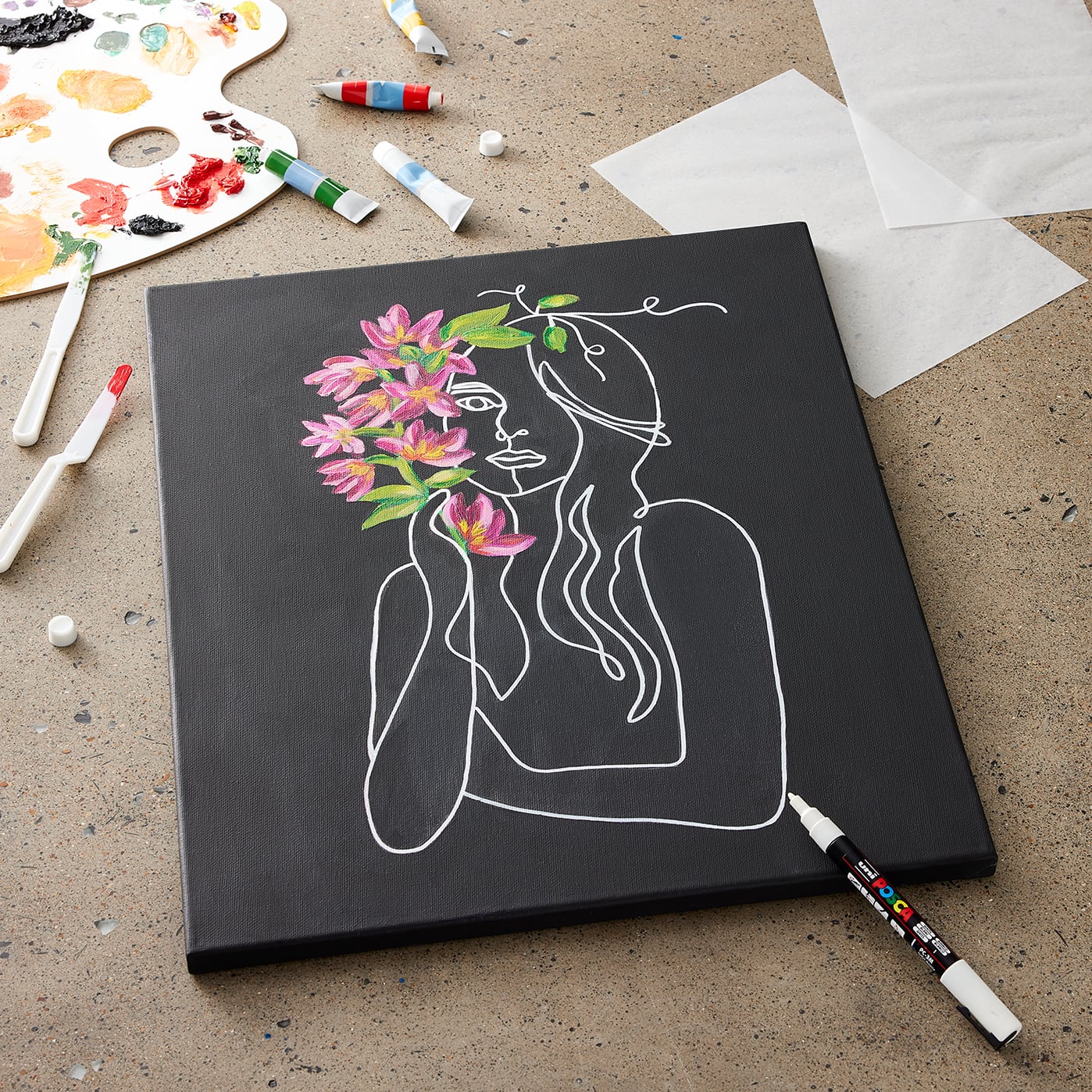
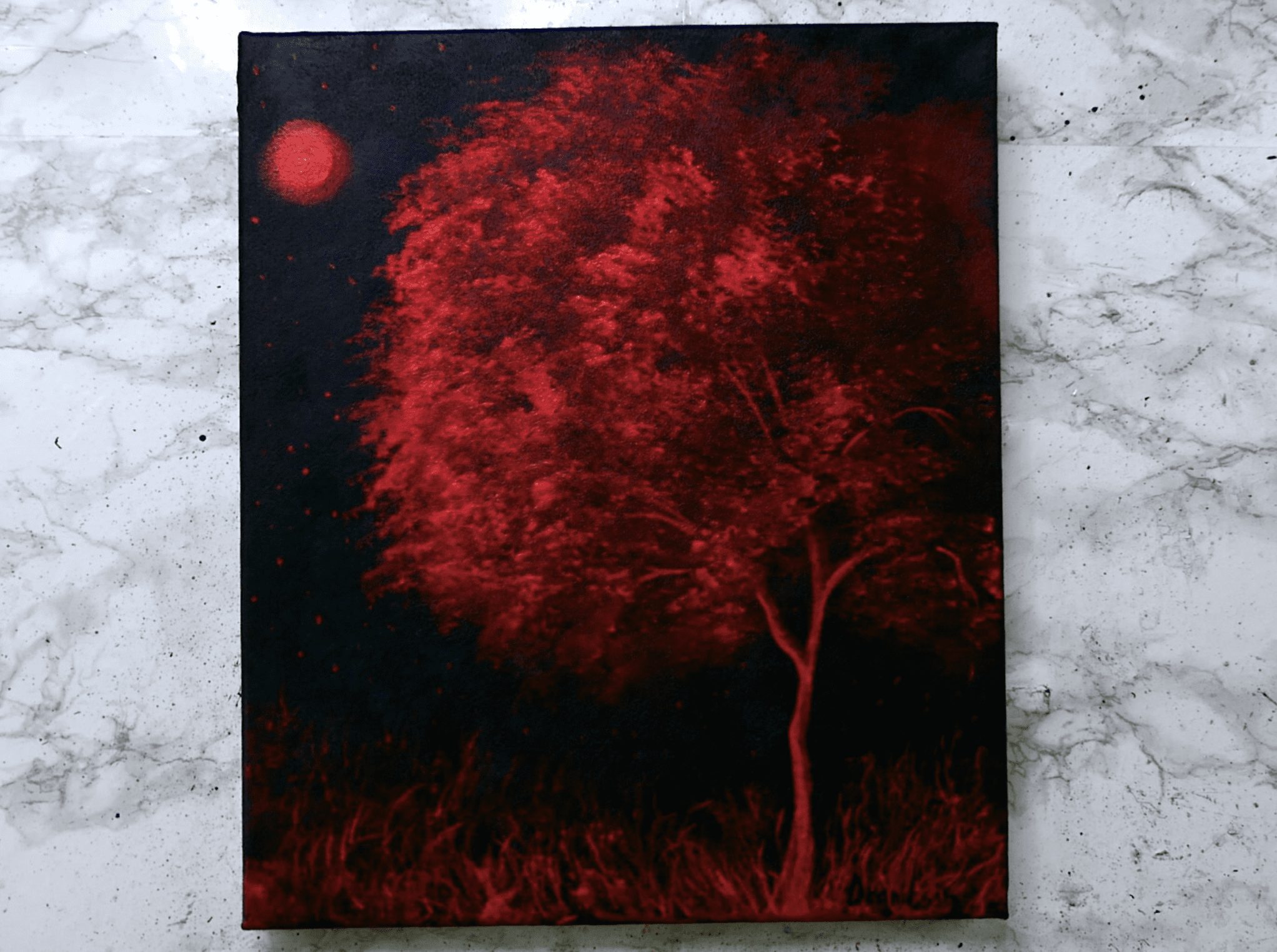
- Layer Other Colors – Add small hints of white, gold, or neon for surprise.
- Stencil or Stamp – Use black paint with different finishes for shadowy patterns.
Many artists add their own touch on a black canvas, even if it’s just a small signature in the corner.
Drying And Sealing
Patience is important here. Rushing can ruin your art.
- Let Paint Dry Fully – Acrylic dries in hours. Oil can take days or weeks.
- Check for Stickiness – Press gently with a clean finger. If it feels tacky, wait longer.
- Apply Varnish – Use a clean brush or spray. Two thin coats are safer than one thick coat.
- Dry Again – Wait 24 hours before handling or hanging.
Varnish protects your work from dust, fingerprints, and UV light.

Credit: www.youtube.com
Common Mistakes And How To Avoid Them
Even simple art can go wrong without care. Here are mistakes beginners make—and how to fix them:
- Uneven Paint – Caused by thick paint in some spots and thin in others. Solution: Use even pressure and multiple thin layers.
- Visible Brush Strokes – Often from dry brushing or poor-quality brushes. Solution: Use a roller or soft brush, and keep paint moist.
- Bubbles or Cracks – Usually from shaking paint or applying too thick. Solution: Stir, don’t shake. Let each layer dry before adding more.
- Dust or Hair in Paint – Happens if you paint in a dusty room. Solution: Clean your workspace and wear clean clothes.
How To Display All Black Canvas Art
A black canvas can look lost if not shown well. Here’s how to make it stand out:
- Frame It – Use a simple white or metallic frame for contrast.
- Hang with Good Lighting – Spotlights or natural light bring out texture and shine.
- Pair with Light Walls – Black art pops on white or pastel backgrounds.
- Group with Other Art – Mix black canvases with colored works for drama.
Real-life Examples And Inspiration
Many famous artists have used all-black art to express ideas:
- Kazimir Malevich painted “Black Square” in 1915, shocking the art world.
- Ad Reinhardt made black-on-black paintings with hidden shapes.
- Modern designers use black canvases in offices, hotels, and homes for a modern look.
You can see more about monochrome art in museums or online at Wikipedia.
Advanced Tips For Unique Black Canvas Art
Want your painting to be different? Try these ideas:
- Layer Gloss and Matte – Paint shapes with gloss on matte for a “hidden” effect that appears only in certain light.
- Add Mixed Media – Glue fabric, sand, or small objects to the canvas before painting.
- Experiment with Light – Paint with glossy black, then shine colored lights for changing effects.
- Try Unusual Canvas Shapes – Circles, triangles, or 3D objects painted black catch attention.
One non-obvious insight: Black paint can fade over time if exposed to sunlight. Use UV-protective varnish to keep your art looking deep and rich.
Another tip: If your black looks “chalky” after drying, it may be the paint quality or too much water. Try switching brands or adding a thin layer of gloss medium before sealing.
Credit: urartstudio.com
Frequently Asked Questions
How Many Layers Of Black Paint Do I Need?
For most canvases, two to three layers of black paint will give a rich, even finish. Thin coats are better than one thick coat, which can crack or look uneven.
Can I Paint Over An Old Canvas With Black?
Yes, you can reuse an old canvas. First, make sure it’s clean and dry. Apply a coat of gesso, let it dry, then paint your black layers as usual. This covers old colors and gives a fresh start.
What’s The Best Finish For Black Canvas Art—matte Or Glossy?
It depends on your taste. Glossy finishes make black look deeper and reflect light, while matte finishes give a soft, velvet look. You can mix both for special effects.
How Do I Clean Dust Or Fingerprints Off A Black Canvas?
Use a soft, dry cloth or a gentle brush. Do not use water or chemicals, as they might leave marks. Sealing your canvas with varnish makes cleaning easier.
Is All-black Canvas Art Considered “real Art”?
Absolutely. Many respected artists and museums include all-black works. The value comes from the artist’s idea, technique, and the feeling it creates—not just color.
Painting an all-black canvas is a rewarding challenge. It teaches you about materials, patience, and subtlety. With care and creativity, your black canvas can be much more than just a dark surface—it can be a bold statement or a peaceful presence in any space.